
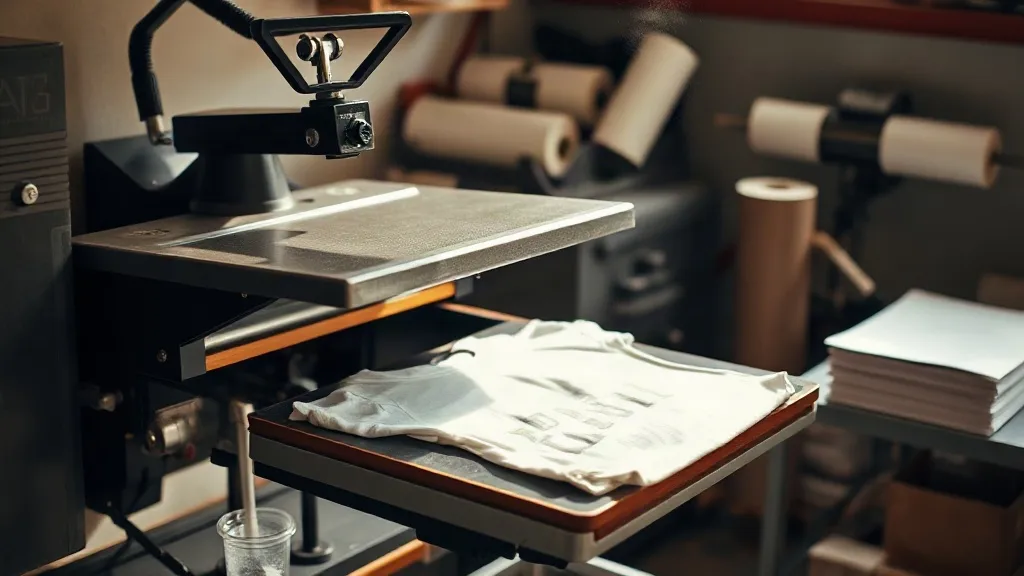
Most people who buy their first roll of DTF film expect the hard part to be the printing. It rarely is. The printing is the easy, satisfying step. The trouble starts when a shirt comes back three washes later with a cracked design, or when a 40-piece order goes out the door with edges that peel after the second wear. Understanding dtf transfers properly means understanding everything that happens after the ink leaves the printhead, and that is where a shop either saves money or quietly loses it.
This guide is written for the person running a small or mid-sized decoration operation, the one who handles quotes, production and customer complaints. There is no single magic setting that fixes every job, but there are a handful of variables that decide most outcomes. Get those right and the process becomes genuinely reliable.
What actually happens inside a DTF transfer
A DTF print is a layered structure, and each layer has a job. White ink builds opacity. Color ink carries the image. The adhesive powder, applied while the ink is still wet, becomes the bridge between the print and the fabric. Heat and pressure then melt that powder into the garment fibers.
When a transfer fails, the failure almost always traces back to one of those layers being wrong. Too little powder and the print sits on the surface like a sticker. Too much powder and the cured sheet feels stiff and the edges crumble. White ink that is under-cured traps moisture and turns gummy on the press. None of these problems show up in the first hour. They show up after a customer has already paid.
Film choice is not a minor detail
Cold-peel and hot-peel films behave differently enough that switching between them without adjusting your routine causes inconsistent results. Cold-peel film generally holds finer detail and releases more cleanly on small text, but it demands patience: peel too early and the adhesive stretches. Hot-peel film speeds up production and suits bold shapes and large blocks of color, though it can leave a slightly heavier hand-feel.
The practical approach is to standardize. Pick one film type per product category, write the peel temperature on the roll, and stop mixing. Shops that keep three film types open at once tend to be the same shops that reprint the most.
Powder, curing, and the humidity problem
Adhesive powder is hygroscopic, meaning it pulls moisture out of the air. A container left open in a humid room will start clumping within days, and clumped powder distributes unevenly across the wet ink. The result is a transfer with patchy adhesion: fine in the middle, weak at the corners.
- Keep powder in a sealed container and refill the shaker in small amounts rather than topping off a large hopper.
- Shake off excess powder before curing. A soft brush or a gentle tap removes the loose material that causes stiffness.
- Cure to the film manufacturer's stated temperature, and verify with a heat gun rather than trusting the dial.
- Store finished transfers flat, in a dry area, away from direct sunlight.
Curing is where many home setups go wrong. An oven that runs 10 degrees cool will leave the adhesive under-fused, and under-fused adhesive feels dry to the touch but fails in the wash. If a transfer looks chalky or the powder brushes off easily after curing, the cure was insufficient.
Pressing variables that change the outcome
Three settings matter on the press: temperature, pressure and time. The common mistake is treating them as independent. They interact. Higher pressure transfers heat faster, so a job pressed hard at a lower temperature can behave like a hotter, lighter press.
Temperature
Most DTF adhesive powders activate in the range published by the film supplier, typically somewhere between 150 and 165 degrees Celsius. Stay inside that window. Going hotter to shorten press time is a false economy, because overheating can shrink the film and distort the print before the adhesive has bonded.
Pressure
Medium, even pressure is the goal. Too little pressure and the adhesive never reaches the fabric weave. Too much and the design flattens into the garment, losing texture and sometimes bleeding at the edges on stretchy material. Check that your press platen is level; an uneven platen produces the same symptoms as wrong pressure and is much harder to diagnose.
Time and peel
Follow the film's peel instructions, then press a second short cycle with a cover sheet. That second press is not optional on cotton-heavy garments. It smooths the surface, improves wash durability and removes the slightly tacky feel that customers notice immediately.
Fabric matters more than most operators expect
DTF adheres well to cotton, polyester and most blends, which is a large part of why the method has spread so quickly. But the same print behaves differently across those materials. On 100 percent polyester, especially performance fabrics with a slick finish, adhesion can be weaker and dye migration can darken the white base over time. On heavy cotton fleece, the texture of the fabric can show through thin areas of white ink.
Before committing to a large order, press one test piece and wash it. A single wash test costs almost nothing and answers questions that no spec sheet can. Shops that skip this step are essentially asking the customer to run the test for them.
Where DTF fits in a real production schedule
The strongest argument for dtf in a small shop is not print quality alone. It is scheduling. Because transfers are produced ahead of time and stored, you can print a batch on Monday and press orders on Thursday without tying up the printer. That decoupling is genuinely useful when a customer needs twelve shirts in three different sizes by Friday.
It also changes how you handle low-quantity, high-color work. A six-color design on twenty pieces no longer requires screens, setup time or minimums. You print what you need, store the extras, and press replacements individually if a size runs short. For shops that quote a lot of small jobs, that flexibility often matters more than the per-unit cost.
Storage and shelf life
Cured transfers keep for months if stored properly. Keep them flat, avoid stacking heavy items on top, and protect them from humidity and direct heat. Label each sheet with the date and the design name. Unlabeled stacks become unusable stacks, because nobody can tell which transfer belongs to which order after a few weeks.
Common failures and what they usually mean
- Edges lift after washing: usually insufficient pressure at the border, or powder that was unevenly applied. Re-press with a cover sheet and check platen level.
- Design feels like plastic: too much powder, or a missing second press. Reduce powder and add the finishing cycle.
- Cracking across the print: often over-stretching during peel, or a garment that was stretched while still warm.
- White base turns grey or yellow: dye migration on polyester, or moisture trapped under an under-cured white layer.
- Print slides during pressing: the transfer moved before the adhesive grabbed. Hold it steady for the first few seconds.
Finding a supplier you can actually rely on
Consistency between batches is the quiet make-or-break factor. A film that performed well in March but behaves differently in June will wreck your settings and your schedule. When you search for dtf transfers near me, look past the price per sheet and ask about batch consistency, powder compatibility and turnaround on reorders.
If you are still comparing methods and want to understand the broader process before committing to equipment, the overview at dtf is a reasonable starting point. Whatever supplier you choose, order a small sample first, run it through your own press at your own settings, and wash it twice before you put it on a paying customer.
Frequently asked questions
How long should a DTF transfer last through washing?
A properly pressed transfer on a compatible fabric typically holds up for dozens of wash cycles when laundered inside out in cold water and dried on low heat. High heat in the dryer is the single biggest cause of premature failure, more so than the wash itself.
Can I press DTF onto nylon or coated outerwear?
It is risky. Nylon and coated fabrics often cannot take the temperature needed to activate the adhesive, and the coating can melt or bond to the film. Test on a hidden area first, and lower the temperature while extending press time if you attempt it at all.
Why does my white ink look thin after pressing?
Either the white layer was printed too light, or the powder absorbed more than it should have. Increase white ink coverage in the print file and confirm the powder application is even. On dark polyester, dye migration can also dull the white over time.
Do I need a special press for DTF?
A standard heat press with reliable temperature control and even pressure works fine. What matters is calibration. Verify the platen temperature with an external probe, because a dial reading and the actual surface temperature are frequently not the same number.
Is DTF more expensive than screen printing?
For small runs with multiple colors, DTF is usually cheaper once you account for setup time and minimums. At high volumes of a simple one-color design, screen printing still wins on cost per piece. The crossover point depends on your labor rate and order size, so run the numbers for your own shop rather than relying on general rules.