
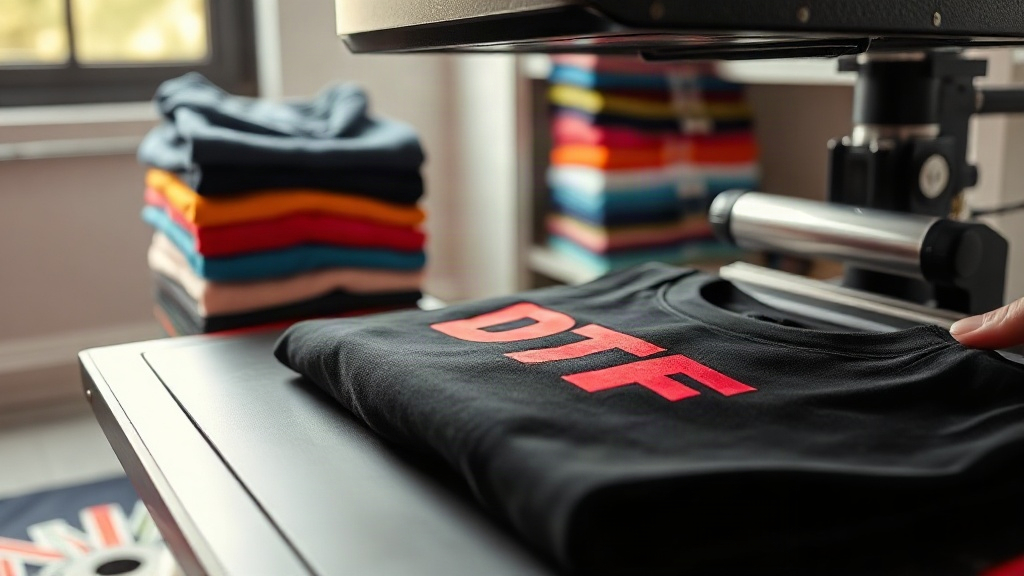
When you first dive into the world of DTF printing, it's easy to get lost in the excitement of vibrant colors and intricate designs. You spend hours perfecting your artwork, tweaking the color profiles, and dialing in your heat press settings. But then, after all that effort, the final print sometimes falls flat. The colors look dull, the design cracks after a few washes, or the whole thing just feels cheap. What went wrong? More often than not, the culprit isn't your printer or your technique. It's the blank you chose. That's where smart blanks come into play. These aren't just any t-shirts; they're carefully engineered garments designed to work in harmony with your DTF transfers, giving you results that look professional and last. In this article, I'll share what I've learned from countless hours in my own shop about why smart blanks matter, and why Shaka Wear has become my go-to for reliable, high-quality prints.
What Are Smart Blanks and Why Do They Matter?
Let's start with the basics. A smart blank is a garment that has been specifically manufactured with printing in mind. That means the fabric, the weave, the thread count, and even the dyes are chosen to optimize adhesion and color reproduction for techniques like DTF, screen printing, and heat transfer vinyl. Unlike generic tees that might be made from inconsistent cotton blends or treated with heavy silicone softeners, smart blanks provide a stable, predictable surface for your transfers.
Why does this matter? Because DTF transfers rely on a thermoplastic polyurethane (TPU) adhesive that bonds to the fabric under heat and pressure. If the fabric is too rough, the adhesive can't penetrate evenly, leading to peeling. If it's treated with silicone or other finishes, the adhesive might not stick at all. Smart blanks eliminate these variables. They give you a consistent canvas, so you can focus on creating amazing designs instead of troubleshooting adhesion issues.
The Science Behind the Bond
When you press a DTF transfer onto a shirt, the TPU adhesive melts and flows into the microscopic crevices of the fabric. The key is achieving a mechanical bond. Fabrics with a tight, smooth weave allow the adhesive to interlock more effectively. Smart blanks often feature a higher thread count and a tighter knit, which increases the surface area for bonding. Additionally, the dyes used in these blanks are typically colorfast and won't bleed or fade during the pressing process. This is crucial because DTF transfers are pressed at temperatures around 300-350°F, and inferior dyes can sublimate or discolor under that heat.
I remember the first time I switched to smart blanks after struggling with random tees from a local supplier. The difference was night and day. The transfers adhered perfectly, the colors popped, and after dozens of washes, the prints still looked brand new. That's when I realized that investing in quality blanks isn't an expense; it's an insurance policy for your reputation.
Why Shaka Wear Stands Out Among Smart Blanks
If you've been in the printing game for any length of time, you've probably heard of Shaka Wear. This brand has built a reputation for producing blanks that are not only affordable but also incredibly consistent. I've tried many different brands over the years, and Shaka Wear consistently delivers the qualities I need for flawless DTF transfers.
One of the main reasons I love Shaka Wear is their fabric quality. Their tees are made from 100% cotton, often ring-spun, which gives them a soft hand feel while still providing a smooth surface for printing. The cotton is combed to remove impurities, resulting in a clean, even fabric that takes transfers beautifully. Unlike some budget blanks that feel rough and stiff, Shaka Wear tees are comfortable enough for everyday wear, which is a huge plus for your customers.
Another standout feature is their consistency. When you order a batch of Shaka Wear blanks, you can be confident that each shirt will have the same dimensions, weight, and dye lot. This consistency is critical when you're producing multiple items for a client or a large order. Nothing is worse than having one shirt that's slightly off-color or a different thickness, ruining an otherwise perfect run. With Shaka Wear, that's rarely an issue.
Key Features That Make Shaka Wear Ideal for DTF
- Fabric Weight: Shaka Wear offers a range of weights, from lightweight 5.5 oz to heavier 7.5 oz. The heavier weights are particularly good for DTF because they can handle the heat and pressure without scorching or shrinking excessively.
- Smooth Surface: Their ring-spun cotton provides a smooth, even surface that allows the DTF adhesive to bond uniformly, reducing the chance of peeling or cracking.
- Colorfast Dyes: The dyes used in Shaka Wear blanks are resistant to sublimation, so you won't see the shirt color bleeding through the transfer, even with light-colored designs on dark shirts.
- Minimal Shrinkage: These blanks are pre-shrunk, so what you see is what you get. Your customers won't be disappointed by a shirt that shrinks two sizes after the first wash.
- Affordable Pricing: Despite their high quality, Shaka Wear blanks are priced competitively, making them accessible for small businesses and hobbyists alike.
I've personally used Shaka Wear tees for everything from small custom orders to large corporate events, and they've never let me down. The combination of quality and value is hard to beat.
How to Choose the Right Smart Blank for Your DTF Projects
Not all smart blanks are created equal, and the best choice depends on your specific needs. Here are some factors to consider when selecting blanks for DTF printing:
Fabric Composition
While 100% cotton is the most popular choice for DTF, blends like cotton/polyester can also work well. However, keep in mind that polyester content can affect the vibrancy of colors. On 100% cotton, DTF transfers tend to have a softer, more matte finish, while on polyester, the colors can appear more vibrant but may also feel slightly plastic. For a classic look and feel, cotton is usually the way to go. Shaka Wear offers both 100% cotton and cotton/poly blends, so you can experiment to see what works best for your designs.
Fabric Weight
The weight of the fabric (measured in ounces per square yard) affects how the transfer sits on the shirt. Lighter fabrics (around 4-5 oz) are great for summer tees and can give a vintage, sheer look, but they may require more careful pressing to avoid scorching. Heavier fabrics (6 oz and up) provide a more substantial feel and can handle higher heat, making them ideal for DTF. I typically recommend 5.5 oz to 6.5 oz for most DTF applications. Shaka Wear's 6.5 oz tees are a sweet spot: durable enough for daily wear, yet not too heavy.
Color
DTF transfers are printed on a clear film and then transferred to the shirt. The color of the shirt can influence the final appearance of the design, especially if the transfer has white ink as a base. On light shirts, the white base is less critical, but on dark shirts, a good white base is essential to make colors pop. Smart blanks come in a wide range of colors, but for DTF, it's best to choose shirts that are dyed with colorfast, sublimation-resistant dyes. Shaka Wear offers a vast color palette, and I've found that even their darkest colors, like black and navy, hold up well without any dye migration.
Weave and Texture
The weave of the fabric affects adhesion. A tight, smooth weave is ideal because it provides more surface area for the adhesive to bond. Avoid fabrics with heavy slubs or pronounced textures, as these can create uneven pressure points and lead to premature peeling. Ring-spun cotton, like what Shaka Wear uses, has a smoother surface than open-end cotton, making it a better choice for DTF.
Tips for Perfect DTF Transfers on Smart Blanks
Even with the best smart blanks, your technique matters. Here are some tips I've picked up along the way to ensure your DTF transfers look flawless:
- Pre-press the shirt: Always pre-press the blank for a few seconds to remove moisture and wrinkles. This step is often overlooked but can make a big difference in adhesion.
- Use the right pressure: DTF transfers require medium to high pressure. If your press doesn't have a pressure gauge, aim for a firm press that requires some effort to close.
- Mind the temperature: Follow the transfer manufacturer's recommendations, but generally, 300-325°F for 10-15 seconds works well for cotton. For blends, you might need to adjust slightly.
- Peel correctly: Most DTF transfers are cold peel, meaning you wait until the transfer is completely cool before peeling the film. Peeling too early can cause the design to lift or crack.
- Post-press for durability: After peeling, give the print a final press for a few seconds with a cover sheet to smooth out any imperfections and improve wash durability.
I've seen too many people skip these steps and then blame the blank or the transfer. Trust me, a little extra care goes a long way.
Common Mistakes to Avoid with Smart Blanks and DTF
Even with high-quality smart blanks and Shaka Wear tees, there are pitfalls that can ruin your results. Here are a few mistakes I've made (and learned from) so you don't have to:
- Using fabric softener: Never wash smart blanks with fabric softener before printing. The softener leaves a residue that prevents the adhesive from bonding. If you must wash, use a mild detergent and no softener.
- Over-stretching the shirt: When placing the transfer, don't stretch the shirt tightly. This can distort the fabric and cause the design to warp or peel after pressing.
- Ignoring the transfer's instructions: Different DTF transfers may have specific temperature, pressure, and time requirements. Always read the instructions that come with your transfers.
- Pressing on a hard surface: Use a pressing pad or a heat press with a silicone pad to ensure even pressure. Pressing on a hard, unyielding surface can cause the transfer to reflect the texture of the surface.
- Not testing: Before committing to a large order, always do a test press on a sample blank. This helps you dial in your settings and catch any issues early.
By avoiding these mistakes, you'll save time, money, and frustration.
Why Quality Blanks Are an Investment in Your Business
It might be tempting to cut costs by buying the cheapest blanks you can find. But in the long run, that decision can hurt your business. Customers notice quality. They notice when a print starts peeling after a few washes, or when the shirt feels rough and uncomfortable. By choosing smart blanks like Shaka Wear, you're telling your customers that you care about your craft. You're delivering a product that not only looks great but also lasts. That leads to repeat business, referrals, and a stellar reputation.
In my own shop, switching to Shaka Wear blanks reduced customer complaints about print durability by a significant margin. It also made my production process smoother because I wasn't constantly dealing with inconsistent shirts. The slightly higher cost per blank was easily offset by fewer reprints and happier customers.
Frequently Asked Questions
Can I use DTF transfers on any fabric, or do I need smart blanks?
You can use DTF transfers on a variety of fabrics, including cotton, polyester, and blends. However, smart blanks are specifically designed to optimize adhesion and color vibrancy, so they yield the best results. Fabrics with heavy textures or silicone treatments may not work well.
How do I know if a blank is a smart blank?
Smart blanks are typically marketed as such, but you can also look for characteristics like tight weave, ring-spun cotton, and colorfast dyes. Brands like Shaka Wear are known for producing smart blanks. If in doubt, ask the supplier or do a test press.
What's the best temperature for pressing DTF transfers on Shaka Wear tees?
For 100% cotton Shaka Wear tees, I recommend 300-325°F for 10-15 seconds with medium-high pressure. For blends, you may need to lower the temperature slightly to avoid scorching. Always follow the transfer manufacturer's guidelines as a starting point.
Do I need to wash smart blanks before applying DTF transfers?
No, you don't need to wash them beforehand. In fact, it's better not to wash them because some detergents and fabric softeners can leave residues that interfere with adhesion. Just pre-press the shirt to remove moisture and wrinkles.
How can I ensure my DTF prints last as long as possible?
Use high-quality smart blanks like Shaka Wear, follow proper pressing techniques, and educate your customers on care instructions. Wash inside out in cold water, avoid fabric softener, and tumble dry low or hang dry. With proper care, DTF prints can last for years.