
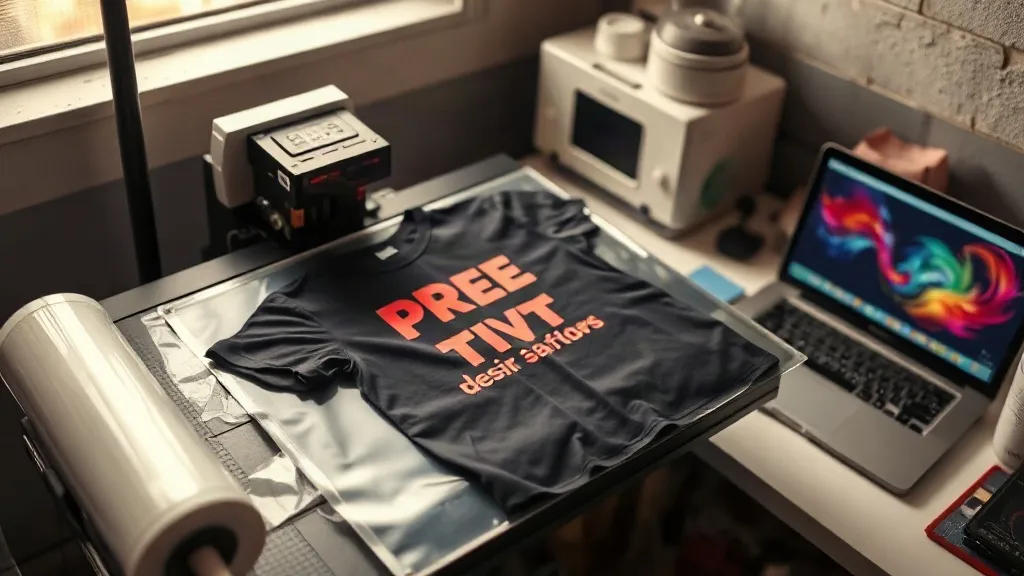
Walk into almost any small apparel shop today and you will notice a heat press sitting next to a computer, a roll of film, and a shaker of adhesive powder. That setup has quietly become one of the most common ways to decorate shirts, hoodies, and tote bags, and the reason is simple: dtf transfers let you print full-color artwork in one pass without screens, color separations, or a closet full of plastisol. For anyone running a shop out of a garage or a spare room, that flexibility changes what kinds of jobs are worth taking.
This guide is written for the person who already owns a press or is about to buy one. It covers how the process actually works, where it beats other decoration methods, and the small habits that separate clean transfers from the ones that crack after three washes.
What Actually Happens Inside a DTF Transfer
Digital transfer film printing looks a lot like desktop printing until the powder shows up. A modified inkjet printer lays down water-based pigment inks onto a coated PET film in reverse. The white ink layer sits underneath the color, which is what makes the print opaque enough to show up on dark garments. While the ink is still wet, fine adhesive powder gets sprinkled across the surface, then a curing step melts that powder into a flexible glue layer.
The result is a transfer sheet you can store in a drawer, ship in an envelope, or press onto a shirt weeks later. There is no screen to reclaim and no ink to mix by hand. Once you understand the sequence, the whole process becomes predictable, and predictability is what lets a small shop quote jobs with confidence.
The three layers that matter
Every transfer is built from the same three components, and each one has a failure mode worth knowing:
- Release film. The carrier sheet holds the ink until you press it. Cheap or expired film causes the print to stick to itself or release unevenly.
- Ink layer. Color inks plus a white base. Too little white and the print looks washed out on dark fabric. Too much and the transfer feels rubbery.
- Adhesive powder. This is the glue. Under-cured powder leaves a gritty surface and poor wash durability. Over-cured powder turns brittle and yellows.
Most complaints about dtf come down to one of those three layers being off. When a customer brings back a shirt with a peeling corner, the answer is almost always powder cure or press pressure, not the printer itself.
Where DTF Fits in a Real Shop Workflow
Screen printing still wins on long runs of simple designs. Vinyl cutting still wins on single-color names and numbers. DTF earns its place in the messy middle: jobs with gradients, photographs, fine text, or a dozen color changes that would cost a fortune in screens.
Think about a typical week. Monday brings a request for twenty hoodies with a watercolor logo. Tuesday someone wants five shirts with a full-color team photo. Wednesday a customer asks for a single sample before committing to a larger order. Each of those is a natural fit for transfer film printing because the setup cost is the same whether you print one or fifty.
Jobs that suit transfers best
- Full-color artwork with gradients, shadows, or photographic elements.
- Small batches where screen setup would eat the margin.
- Sample runs and proofs for clients who need to see a physical print.
- Garments that are awkward to hoop or stretch across a screen, like structured caps or heavy fleece.
Where it struggles is on very large solid color blocks over big areas, where the hand feel becomes heavy, and on stretchy performance fabrics that need a lower pressing temperature than the adhesive prefers. Knowing those limits keeps you from promising something the process cannot deliver.
Press Settings That Actually Hold Up
Every film brand publishes a temperature and time, but those numbers assume a press that is genuinely at temperature across the whole platen. A cheap press with a cold corner will produce transfers that look fine on the shelf and fail in the wash. Before trusting any setting, check your platen with an infrared thermometer in all four corners and the center.
As a starting point, most transfers press around 300 to 320 degrees Fahrenheit for 10 to 15 seconds at medium pressure. Peel while warm or cold depending on the film manufacturer, then do a second short press with a cover sheet to lock the adhesive into the fibers. That final press is the step people skip, and it is the one that improves wash durability the most.
A quick troubleshooting table
- Print peels at the edges after washing: increase pressure or extend the second press.
- Print feels stiff and plastic-like: reduce the white ink layer in your file or lower press temperature slightly.
- Color looks dull on black shirts: the white base is too thin, so increase white density in the print settings.
- Adhesive sticks to the cover sheet: the powder was under-cured before pressing.
Storage, Shipping, and the Question of Local Supply
Transfers are not fragile, but they do not like humidity or heat. Store sheets flat in a sealed bag away from direct sunlight, and keep them out of a car trunk in summer. If you ship finished transfers to a customer, include a rigid backing so corners do not crease, and note the press instructions on the packing slip.
A growing number of buyers search for dtf transfers near me because they want a fast turnaround without overseas shipping delays. Local or regional suppliers can often deliver gang sheets in a day or two, which matters when a client needs shirts for an event on Saturday. Building a relationship with one reliable supplier is worth more than chasing the lowest price per sheet, especially once you factor in reprints and missed deadlines.
What to ask a supplier before ordering
Ask how fresh the film is, what powder they use, and whether they will send a sample press on your own garments. A supplier who hesitates on those questions is telling you something. Also confirm the file setup they expect, since gang sheet layouts vary and a misaligned file wastes an entire sheet.
Costing a Job Without Guessing
The mistake new shops make is pricing transfers like vinyl. Vinyl costs almost nothing per square inch; film, ink, and powder add up faster, and a gang sheet that gets half-used is money in the trash. Build your price from the actual sheet cost, not from a rough feeling about how expensive it seemed.
A workable approach is to calculate cost per square inch of film, add a small allowance for misprints and powder, then add labor for pressing and folding. Once you have that number, you can quote a twenty-piece order in under a minute and still protect your margin. Shops that skip this step tend to underprice small orders and overprice large ones, which is exactly backwards.
Frequently Asked Questions
How long do DTF transfers last after washing?
With a proper powder cure and a second press after peeling, most transfers hold up for dozens of wash cycles. Washing inside out in cold water and avoiding a hot dryer drum will extend that considerably. Poor durability usually traces back to under-cured powder or insufficient pressure rather than the film itself.
Can I press DTF transfers onto cotton and polyester blends?
Yes, that flexibility is one of the main reasons shops adopt the method. Cotton, blends, and most synthetic fabrics all accept transfers well. The one caution is with stretchy performance fabrics, which may need a lower temperature and a longer dwell time to avoid scorching or poor adhesion.
Do I need a special printer to make my own transfers?
You need a printer designed for film printing with a white ink channel, plus a powder shaker and a curing oven or heat press for the powder step. Many small shops start by ordering finished sheets from a supplier and only invest in their own printer once volume justifies it.
Why does my transfer look faded on dark shirts?
The white ink layer is probably too thin. Increase white density in your print settings and confirm the file has a solid white base behind all color areas. Pressing at the correct temperature also helps the white layer bond fully and appear more opaque.
Is it cheaper to order transfers or print them in house?
For low volume, ordering is almost always cheaper once you count the printer, ink, film, powder, and the learning curve. In-house printing starts to make sense when you are running several gang sheets a week and can keep the equipment busy.