
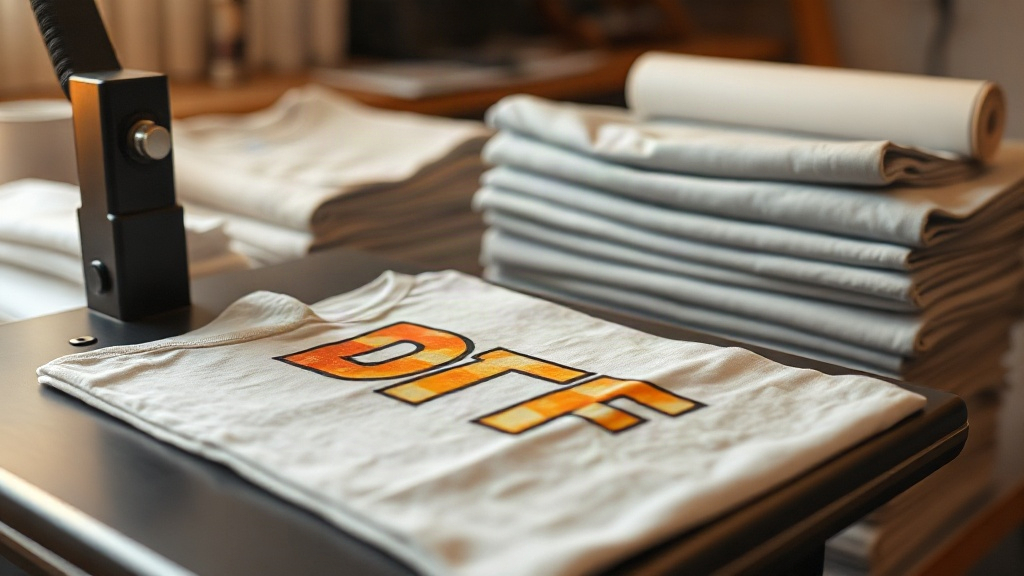
If you've been exploring custom apparel, you've likely heard about DTF transfers. This printing method has exploded in popularity, and for good reason. It offers vibrant colors, fine detail, and works on a huge range of fabrics. But not all blanks are created equal. In this guide, we'll dive into how DTF transfers perform on two popular blank brands: Shaka Wear and Smart Blanks. Whether you're a seasoned decorator or just starting out, you'll find practical advice to get professional results.
What Are DTF Transfers?
DTF stands for Direct to Film. The process involves printing a design onto a special film using pigment-based inks, then applying a powder adhesive while the ink is still wet. After curing, the transfer is ready to be heat-pressed onto a garment. The adhesive melts, bonding the ink to the fabric. This method works on cotton, polyester, blends, and even nylon. It's a game-changer for small businesses and hobbyists because it doesn't require expensive equipment or minimum orders.
Why Shaka Wear and Smart Blanks?
Both Shaka Wear and Smart Blanks have carved out a niche in the apparel industry. Shaka Wear is known for its heavyweight, streetwear-inspired tees with a relaxed fit. Smart Blanks offers a wide range of budget-friendly blanks that cater to various styles, from basic tees to fleece. Understanding how DTF transfers interact with these fabrics will help you avoid common pitfalls and achieve stunning results.
Fabric Composition Matters
Before you press, check the fabric content. Shaka Wear tees are typically 100% cotton, often ring-spun for softness. Cotton takes DTF transfers beautifully because the adhesive bonds well to natural fibers. Smart Blanks come in various compositions, including cotton, polyester, and blends. Polyester can be trickier: if the press temperature is too high, the fabric may scorch or the ink may not adhere properly. Always test on a scrap piece first.
Surface Texture and Weave
Shaka Wear garments often have a tight knit, which provides a smooth canvas for detailed designs. Smart Blanks may have a slightly rougher texture depending on the model. A rougher surface can cause the transfer to sit on top rather than embed, leading to cracking over time. Using a heat press with even pressure helps the adhesive penetrate the fibers. If you're working with a very textured blank, consider using a longer press time or a higher pressure setting.
Step-by-Step: Applying DTF Transfers to Shaka Wear and Smart Blanks
- Preheat the garment: This removes moisture and wrinkles. Press for 3-5 seconds at your target temperature.
- Position the transfer: Place the DTF transfer with the design facing up. Use heat tape if needed to keep it in place.
- Press: Apply medium to high pressure for 10-15 seconds at 300-325°F (150-160°C). For Shaka Wear, 315°F works well. For Smart Blanks, start at 300°F and adjust.
- Peel: Wait for the transfer to cool completely before peeling the film. This is crucial for a smooth finish. If you peel hot, you risk distorting the design.
- Post-press: Cover with parchment paper or a Teflon sheet and press again for 5-10 seconds to enhance durability.
Common Challenges and Solutions
Adhesion Issues
If the transfer peels off after washing, it's likely due to insufficient pressure or incorrect temperature. Shaka Wear heavyweight tees may require a bit more pressure to ensure the adhesive reaches the fabric. For Smart Blanks, check if the fabric has a special finish (like silicone) that repels adhesives. Pre-washing the garment can help.
Cracking or Fading
Cracking often occurs when the transfer is stretched or when the garment is washed in hot water. Always wash inside out in cold water and avoid bleach. For Smart Blanks with high polyester content, use lower heat to prevent the ink from becoming brittle. Also, ensure your DTF transfers are from a reputable supplier; quality films and powders make a difference.
Color Vibrancy
DTF transfers are known for vibrant colors, but the base fabric color affects the final look. On white Shaka Wear tees, colors pop. On dark colors, you may need a white underbase, which DTF transfers already include. However, if the transfer is too thin, the shirt color can show through. Choose transfers with a good ink laydown.
Choosing the Right DTF Transfer for Your Blank
Not all DTF transfers are created equal. When buying, consider the film type (hot peel vs. cold peel), ink quality, and powder adhesive. For Shaka Wear and Smart Blanks, cold peel transfers are generally safer as they allow the adhesive to set fully before peeling. Also, look for transfers that specify compatibility with cotton and blends. If you're printing on Smart Blanks polyester performance wear, opt for a low-temperature DTF transfer to avoid dye migration.
Washing and Care Tips
To keep your DTF-printed apparel looking great, follow these guidelines:
- Wait at least 24 hours after pressing before washing.
- Turn the garment inside out.
- Machine wash cold, gentle cycle.
- Do not use fabric softener or bleach.
- Tumble dry low or hang dry.
- Iron inside out, never directly on the print.
Frequently Asked Questions
Can I use DTF transfers on Shaka Wear's heavyweight cotton tees?
Absolutely. Shaka Wear's heavyweight cotton is an excellent canvas for DTF transfers. The tight weave and natural fibers allow for strong adhesion and vibrant colors. Just ensure you use enough pressure and the correct temperature (around 315°F) for a durable bond.
What temperature should I use for Smart Blanks polyester shirts?
For Smart Blanks polyester shirts, lower the temperature to about 280-300°F to prevent scorching and dye migration. Also, use light pressure and a shorter press time (8-10 seconds). Always test on a scrap first.
Do DTF transfers work on blends like 50/50?
Yes, DTF transfers work on blends. However, the higher the polyester content, the more careful you need to be with temperature. A 50/50 blend is generally fine at 300°F. For higher polyester, reduce heat and consider a low-temperature DTF film.
Why does my DTF transfer peel off after washing?
Peeling usually means insufficient pressure, incorrect temperature, or peeling too soon. Make sure you press with medium to high pressure, reach the recommended temperature, and let the transfer cool completely before peeling. Also, check that the garment is clean and dry before pressing.
Can I stretch DTF-printed Shaka Wear tees?
DTF transfers have some elasticity, but excessive stretching can cause cracking. Shaka Wear tees are known for their relaxed fit, so they don't stretch much. If you need stretch, consider a transfer with a stretchable adhesive or use a blend with spandex.
With these tips, you're ready to create stunning custom apparel using DTF transfers on Shaka Wear and Smart Blanks. Happy pressing!