
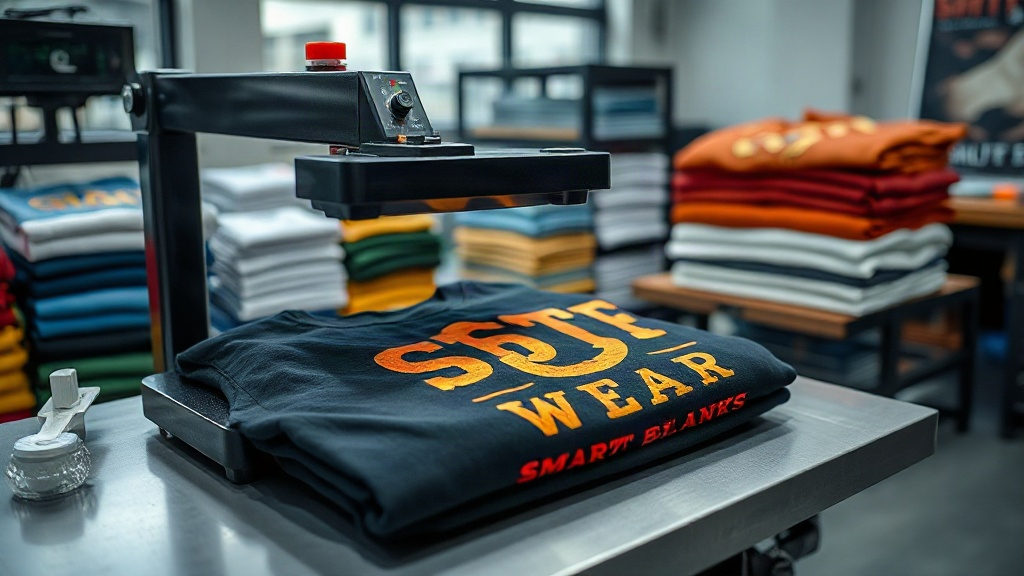
When you first dive into the world of garment printing, the choices can feel overwhelming. Screen printing, heat transfer vinyl, sublimation, and direct-to-film each have their place, but one method has been rapidly gaining ground for its versatility and ease of use: DTF transfers. If you're looking to produce vibrant, full-color designs on demand without the setup costs of screen printing, DTF might be your new best friend. In this guide, I'll walk you through everything you need to know about DTF transfers, especially when paired with two popular blank options: Shaka Wear and Smart Blanks. We'll cover what makes these blanks stand out, how to achieve professional results, and how to troubleshoot common issues. Let's get started.
What Are DTF Transfers and Why They Matter
DTF stands for direct-to-film. The process involves printing your design onto a special PET film using a DTF printer and water-based inks, then applying a hot-melt adhesive powder to the wet ink. Once the powder is cured, the transfer is ready to be heat-pressed onto a garment. Unlike DTG (direct-to-garment), DTF works on a wide range of fabrics, including cotton, polyester, blends, and even nylon. It also doesn't require pre-treatment, which saves time and money. The result is a soft, stretchable print with excellent wash durability. For small businesses and hobbyists alike, DTF opens up possibilities for small-batch, customized apparel without the hassle of screens or vinyl weeding.
Why Shaka Wear and Smart Blanks Are Ideal for DTF
Not all blanks are created equal. The quality of your final product depends heavily on the garment you choose. Shaka Wear and Smart Blanks have both earned loyal followings among printers for their consistent quality, comfortable fits, and compatibility with DTF transfers. Let's break down what makes each one special.
Shaka Wear: Streetwear Staple with a Following
Shaka Wear is a brand deeply rooted in streetwear culture. Their blanks are known for their heavyweight cotton, relaxed fits, and durable construction. The 7.5 oz heavyweight tees, for example, provide a substantial canvas that holds up well to DTF transfers. The tight knit and smooth surface allow for excellent ink adhesion, and the colors pop beautifully. Whether you're printing a bold graphic or a detailed photo, Shaka Wear tees deliver a premium look that customers appreciate. Plus, their size range is inclusive, making them a great choice for diverse audiences.
Smart Blanks: Affordable Quality for Every Project
If you're looking for a budget-friendly option without sacrificing quality, Smart Blanks should be on your radar. These blanks offer a soft, ringspun cotton feel that rivals more expensive brands. They take DTF transfers exceptionally well, with a smooth surface that minimizes texture interference. Smart Blanks are available in a wide array of colors and styles, from classic tees to hoodies and tank tops. For printers who need to keep costs down while still delivering a professional product, Smart Blanks is a smart choice. I've personally used them for client orders and have been impressed by how well they hold up after multiple washes.
Step-by-Step DTF Application on Shaka Wear and Smart Blanks
Applying DTF transfers is straightforward, but following the right steps ensures a durable, professional finish. Here's my tried-and-true process for both Shaka Wear and Smart Blanks garments.
1. Prepare Your Workspace and Materials
You'll need a heat press (or a home iron with consistent pressure), your DTF transfer, a lint roller, and a protective sheet (like parchment paper or Teflon). Set your heat press to 325°F (160°C) for cotton and blends. For Shaka Wear heavyweight tees, I recommend 325°F for 15 seconds. For Smart Blanks, similar settings work well, but always test with a scrap piece first.
2. Pre-Press the Garment
Pre-pressing removes moisture and wrinkles, which can cause uneven adhesion. Press the garment for 5-10 seconds to flatten the surface. This step is crucial for both Shaka Wear and Smart Blanks because it creates a smooth foundation for the transfer.
3. Position and Press the Transfer
Place your DTF transfer face down on the garment. Cover with a protective sheet. Apply medium to heavy pressure for 15-20 seconds. For Shaka Wear heavier fabrics, you might need 20 seconds to ensure full penetration of the adhesive. For Smart Blanks, 15 seconds is usually sufficient. Avoid moving the transfer during pressing to prevent ghosting.
4. Peel and Finish
DTF transfers are typically cold peel, meaning you wait until the transfer is completely cool before peeling. This allows the adhesive to set properly. Once cool, peel the film off in one smooth motion. If any part lifts, re-press for a few seconds. For a matte finish, you can press again with a protective sheet for 5 seconds after peeling.
Common Issues and How to Fix Them
Even with the best blanks, problems can arise. Here are solutions to the most frequent DTF challenges.
Transfer Not Sticking
If the transfer peels off or feels loose, it's usually due to insufficient pressure, temperature, or time. Increase your heat press pressure and ensure the temperature is accurate. For Shaka Wear heavyweight, you may need to adjust to 350°F for 20 seconds. Also, make sure the garment is free of fabric softener, which can inhibit adhesion.
Cracking or Fading After Wash
This often happens if the transfer wasn't pressed long enough or if the garment was washed improperly. Always wait 24 hours before washing, and turn the garment inside out. Use cold water and avoid bleach. With proper care, DTF prints on Shaka Wear and Smart Blanks can last 50+ washes without significant fading.
Color Looks Dull
Dull colors can result from under-pressing or using a low-quality transfer. Ensure your DTF printer is using vibrant inks and that the powder is fully cured. Also, pre-pressing the garment helps. If you're using Smart Blanks in dark colors, consider a white underbase for brighter prints.
Design Tips for Stunning DTF Prints
To make your designs stand out on Shaka Wear and Smart Blanks, keep these tips in mind:
- Use high-resolution images: DTF can reproduce fine details, so start with 300 DPI files.
- Consider fabric color: Light garments allow for bright, direct prints. On dark fabrics, a white underbase is automatically included in the transfer, but you may need to adjust your design's opacity.
- Test different sizes: DTF transfers can be scaled, but ensure your printer can handle the size. For Shaka Wear oversized tees, large prints look great.
- Experiment with specialty inks: Some DTF printers support fluorescent or metallic inks. These can create eye-catching effects on Smart Blanks.
Why DTF Transfers Are a Game-Changer for Custom Apparel
The flexibility of DTF transfers is unmatched. You can print one-off designs or small batches without the cost of screens. You can offer full-color, photographic prints that feel soft and stretch with the fabric. And with blanks like Shaka Wear and Smart Blanks, you're combining quality with affordability. Whether you're running a clothing brand, a promotional products business, or just making team shirts, DTF gives you the power to create professional-grade apparel right from your studio.
Frequently Asked Questions
Can I use DTF transfers on Shaka Wear hoodies?
Absolutely. Shaka Wear hoodies are typically cotton/polyester blends, which DTF handles beautifully. Just adjust your press settings: 325°F for 20 seconds with medium-heavy pressure. Pre-press the hoodie to remove wrinkles, and you'll get a smooth, durable print.
What's the best heat press temperature for Smart Blanks t-shirts?
For Smart Blanks 100% cotton tees, I recommend 325°F for 15 seconds. If you're using a blend, same temperature but 20 seconds. Always do a test press on a scrap to dial in your specific press.
Do DTF transfers work on dark Shaka Wear shirts?
Yes, they do. DTF transfers include a white ink layer that acts as an underbase, so colors remain vibrant on dark fabrics. However, for the brightest results, avoid overly intricate designs with thin lines, as the white layer can sometimes show through if not pressed properly.
How do I wash a shirt with a DTF transfer?
Wait 24 hours after pressing, then turn the garment inside out and machine wash cold. Tumble dry low or hang dry. Avoid fabric softener and bleach. Following these steps, your DTF print on Shaka Wear or Smart Blanks will last for many washes.
Can I layer DTF transfers for a multi-color effect?
Layering is possible but tricky. It's better to print your design as one transfer with all colors. If you must layer, press the first transfer, peel, then press the second on top, increasing time slightly. Use a protective sheet to prevent scorching.
DTF transfers have revolutionized custom apparel, and with the right blanks like Shaka Wear and Smart Blanks, you can achieve professional results that impress customers. Remember, practice makes perfect, so don't be afraid to experiment. Happy printing!