
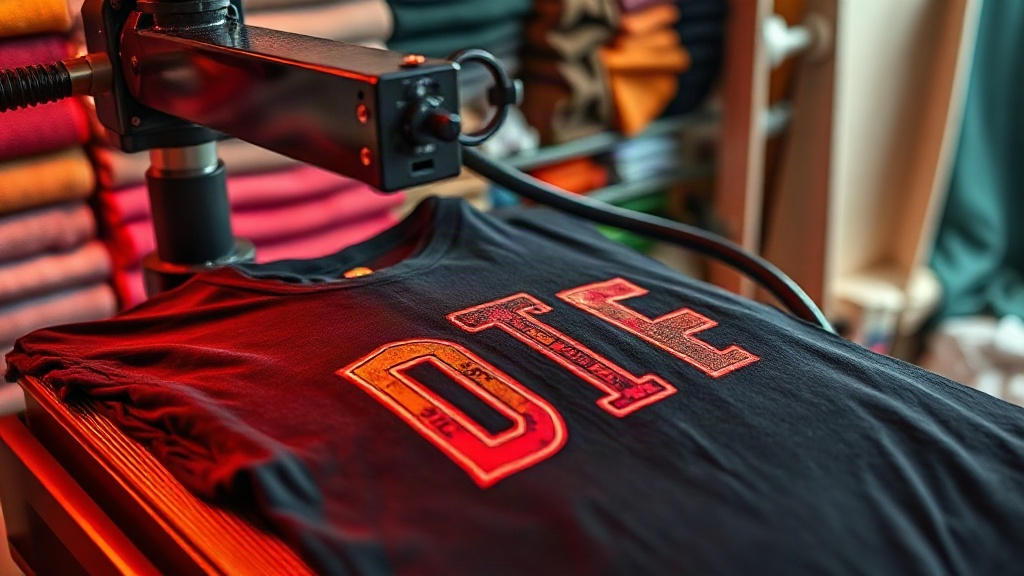
When you first dive into the world of DTF printing, you quickly realize that the magic isn't just in the printer or the ink. The fabric you choose plays a massive role in how your final print looks and holds up over time. I've seen countless projects go from promising to disappointing simply because the wrong material was used. But here's the good news: once you understand a few key principles, you can confidently pick fabrics that make your designs pop.
In this guide, I'll walk you through everything you need to know about fabric selection for DTF printing. We'll cover the science behind how the adhesive interacts with different fibers, which materials give the best results, and how to troubleshoot common issues. By the end, you'll be able to choose fabrics like a pro, whether you're printing custom t-shirts for a client or experimenting with your own designs.
Why Fabric Choice Matters in DTF Printing
DTF printing works by transferring a design printed on a special film onto fabric using heat and pressure. The ink sits on top of the fabric, bonded by a thermoplastic adhesive. This means the fabric's texture, fiber content, and even color can affect how well the print adheres and how it looks.
Unlike DTG (direct-to-garment) printing, which requires fabrics with high cotton content, DTF is more versatile. However, that doesn't mean all fabrics are equal. Some materials will give you a soft, stretchy feel with excellent wash durability, while others might cause the print to crack, fade, or peel. The key is understanding how the adhesive interacts with different fibers.
The Role of Fiber Content
Natural fibers like cotton and hemp have a rough surface that the adhesive can grip onto well. Synthetic fibers like polyester are smoother, which can sometimes make adhesion tricky. However, DTF films are designed with a adhesive that works on both, but the results can vary. Blends, like 50/50 cotton-polyester, often offer the best of both worlds: good adhesion and a soft hand feel.
I remember my first attempt at printing on a 100% polyester performance shirt. The colors looked amazing initially, but after a few washes, the print started to crack. That's when I learned that polyester requires a lower temperature and pressure to avoid over-stretching the fibers. It was a valuable lesson that shaped my approach to fabric selection.
Weave and Texture
The weave of the fabric also matters. Tightly woven fabrics like canvas provide a smooth surface for the print, while loose knits like jersey can allow the ink to sink in, leading to a softer but sometimes less vibrant result. For the best detail and color vibrancy, a smooth, tight weave is ideal. But if you're after a vintage, faded look, a looser weave can work in your favor.
Best Fabrics for DTF Printing
Based on my experience and countless tests, here are the fabrics that consistently deliver excellent results with DTF printing:
- 100% Cotton: This is the gold standard. Cotton's natural fibers provide excellent adhesion, and the print feels soft and flexible. It's perfect for t-shirts, hoodies, and tote bags. Just pre-press to remove moisture and wrinkles.
- Cotton-Poly Blends: Blends with at least 50% cotton work very well. They combine the comfort of cotton with the durability of polyester. Prints on blends tend to be very durable and resistant to cracking.
- 100% Polyester: Polyester can be tricky, but with the right settings (lower temperature, light pressure), you can achieve vibrant prints. It's great for sportswear and activewear because the print stretches with the fabric. However, be aware that some polyester dyes can migrate into the print over time, causing discoloration. Using a low-bleed film or a dye-blocking underlayer can help.
- Canvas: Canvas is a sturdy, woven fabric that takes DTF prints beautifully. It's ideal for bags, shoes, and home decor items. The texture of canvas can add a nice depth to the print.
- Nylon and Synthetic Blends: These can be printed on, but they often require special low-temperature films and careful handling. Nylon tends to scorch easily, so always test on a scrap piece first.
One fabric that I avoid is 100% acrylic or fabrics with a high spandex content (over 20%). The extreme stretch can cause the print to crack when the garment is worn. If you must print on high-stretch fabrics, use a DTF film designed for stretchability and apply minimal pressure.
How to Prepare Fabrics for DTF Printing
Proper preparation is half the battle. Even the best fabric can yield poor results if not prepped correctly. Here's my step-by-step process:
- Pre-press the fabric: This removes moisture and wrinkles. Moisture is the enemy of DTF adhesion. Press for 5-10 seconds at the temperature you'll use for the transfer.
- Check for coatings: Some fabrics come with a stain-resistant or water-repellent coating. These coatings can prevent the adhesive from bonding. If you suspect a coating, wash the fabric first or choose a different material.
- Test on a swatch: Always do a test print on a small piece of the same fabric. This helps you dial in the perfect temperature, pressure, and time.
- Use a heat press, not an iron: A heat press provides even pressure and temperature, which is crucial for DTF transfers. An iron can't maintain consistent conditions and often leads to uneven results.
I can't stress enough how important pre-pressing is. I once skipped it on a humid day, and the print peeled off in the first wash. Now, I always pre-press for at least 10 seconds, even if the fabric looks dry.
Troubleshooting Common Fabric-Related Issues
Even with the right fabric, you might run into problems. Here are some common issues and how to fix them:
Print Cracking After Washing
This usually happens on stretchy fabrics or when the print is too thick. Try using a thinner film or reducing the amount of ink. Also, ensure you're using the correct pressure. Too much pressure can stretch the fabric during transfer, causing cracks later.
Print Peeling Off
Peeling often indicates insufficient adhesion. This can be due to moisture in the fabric, low temperature, or too little pressure. Re-press the print with a Teflon sheet for an extra 10 seconds. If it still peels, the fabric might have a coating that needs to be removed.
Dull or Faded Colors
If colors look washed out, it could be that the fabric is too textured or the ink didn't fully transfer. Increase the temperature slightly (within the film's recommended range) and ensure you're using the correct peel method (hot vs. cold). Also, some dark fabrics require a white underbase, which DTF films already include, but you might need to adjust the white ink density in your RIP software.
Frequently Asked Questions
Can I DTF print on 100% polyester?
Yes, you can, but it requires careful settings. Use a lower temperature (around 250-275°F) and light pressure to avoid damaging the fabric. Also, be aware of dye migration; using a low-bleed film or a dye-blocking underlayer can prevent colors from bleeding into the print.
What is the best fabric for DTF printing?
100% cotton is generally considered the best due to its excellent adhesion and soft feel. Cotton-poly blends also work very well and offer durability. For stretchy fabrics, look for blends with spandex, but keep spandex content under 20% to avoid cracking.
Do I need to pre-treat fabric for DTF printing?
No, pre-treatment is not required for DTF printing. However, pre-pressing the fabric to remove moisture and wrinkles is essential for proper adhesion.
How do I prevent the print from cracking on stretchy fabrics?
Use a DTF film designed for stretchability, apply minimal pressure during transfer, and avoid over-stretching the fabric when wearing. Also, ensure the print is not too thick; thinner prints crack less.
Can I DTF print on dark colors?
Absolutely. DTF films include a white ink layer that acts as a base, so colors appear vibrant on dark fabrics. Just make sure your RIP software is set to print the white layer correctly.
Choosing the right fabric for DTF printing doesn't have to be a guessing game. With a basic understanding of fiber content, weave, and proper preparation, you can achieve professional-looking results on a wide range of materials. Remember to test, adjust, and have fun experimenting. Happy printing!