
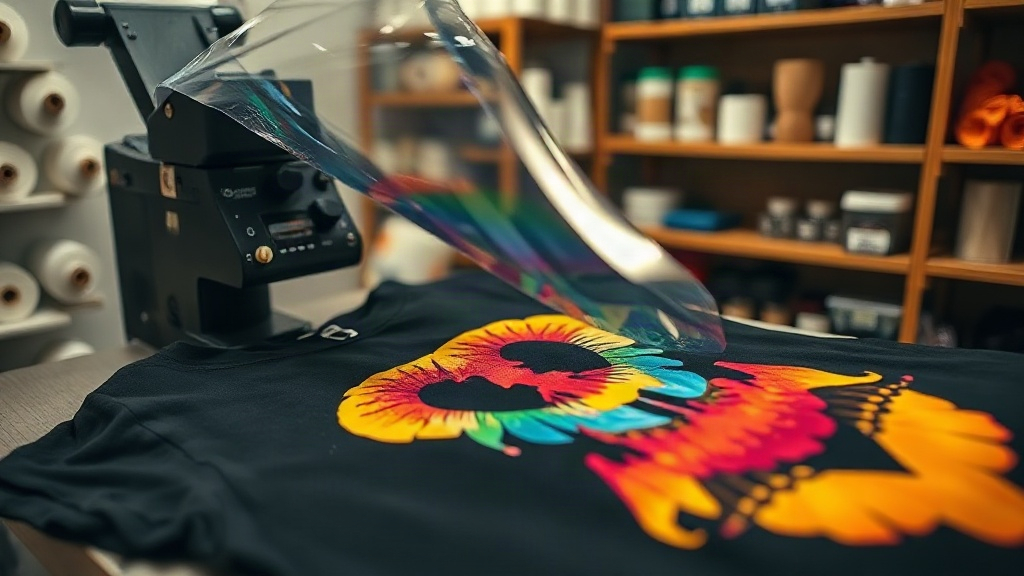
If you've been exploring custom apparel decoration, you've likely encountered DTF printing. Short for Direct-to-Film, this technology has rapidly gained popularity among garment decorators for its versatility and vibrant results. Unlike traditional methods that require specific fabrics or extensive setup, DTF printing offers a streamlined workflow that works on almost any material. In this guide, we'll dive deep into what DTF printing is, how it works, and why it might be the perfect solution for your next project.
What Exactly Is DTF Printing?
DTF printing is a digital printing process where your design is printed onto a special film, coated with a heat-activated adhesive powder, and then transferred to a garment using a heat press. The magic lies in the film: it acts as a carrier for the ink and adhesive, allowing the design to bond permanently to the fabric. This method eliminates the need for pre-treatment or weeding, which are common in other transfer techniques like vinyl cutting or screen printing.
The process was developed as a solution for printing on dark and light fabrics without the limitations of DTG (Direct-to-Garment) or the setup costs of screen printing. Since its introduction, DTF has become a go-to for small businesses, hobbyists, and large-scale operations alike because it delivers professional-quality results with minimal equipment.
How Does the DTF Process Work?
Understanding the step-by-step workflow helps you appreciate the efficiency of DTF printing. Here's what happens from digital file to finished garment:
- Design Preparation: Your artwork is prepared in a graphics program, ensuring it's mirrored and sized appropriately. The design is then printed onto a PET film using specialized DTF inks.
- Powder Application: While the ink is still wet, a thermoplastic adhesive powder is applied evenly over the print. Excess powder is shaken off, leaving a thin layer that will bond with the fabric.
- Curing: The film with powder is heated to melt the adhesive, usually in a curing oven or with a heat press. This step is crucial for durability.
- Transfer: The cured film is placed on the garment and pressed with a heat press at a specific temperature and pressure for a set time. Once cooled, the film is peeled away, leaving the design adhered to the fabric.
Each step requires attention to detail, but the overall process is forgiving and allows for high consistency across multiple pieces.
Why Choose DTF Printing?
There are several compelling reasons why DTF printing stands out in the world of garment decoration:
- Fabric Versatility: Unlike DTG, which works best on 100% cotton, DTF adheres to cotton, polyester, blends, and even leather or nylon. This opens up a wide range of apparel options.
- No Weeding or Pre-Treatment: Save time and labor by skipping the tedious weeding process of vinyl and the pre-treatment required for DTG.
- Vibrant Colors: DTF inks produce bright, opaque colors, especially on dark garments, without the need for a white underbase.
- Cost-Effective for Short Runs: With no setup fees or minimums, DTF is ideal for small batches, personalized items, or samples.
- Durability: When applied correctly, DTF transfers withstand repeated washing without cracking or fading.
These benefits make DTF a versatile tool for any decorator's arsenal.
DTF vs. Other Printing Methods
To truly understand DTF's place, let's compare it to common alternatives:
DTF vs. DTG
DTG printing is direct and requires no transfer film, but it demands pre-treatment and works best on cotton. DTF excels on polyesters and blends, and because the design sits on top of the fabric rather than being absorbed, colors pop more on dark shirts. However, DTF transfers can feel slightly thicker than DTG prints.
DTF vs. Screen Printing
Screen printing is cost-effective for large orders but requires screens and setup for each color. DTF shines for detailed, multi-color designs and short runs, with no per-color cost. The trade-off is that screen printing can offer a softer hand on high-volume orders.
DTF vs. Vinyl
Heat transfer vinyl (HTV) is great for simple one-color designs but requires weeding and layering for multiple colors. DTF handles complex gradients and photographs effortlessly, making it superior for intricate artwork.
Getting Started with DTF Printing
If you're ready to dive into DTF, here's a basic starter checklist:
- DTF Printer: A dedicated DTF printer (often modified Epson or Ricoh models) with pigment inks.
- PET Film: Special coated film designed for DTF transfers.
- Adhesive Powder: Thermoplastic powder (TPU) for bonding.
- Heat Press: A reliable heat press capable of consistent temperature and pressure.
- Curing Oven or Heat Gun: For melting the powder (optional if using a heat press for curing).
- Design Software: Any vector or raster program like Adobe Illustrator or CorelDRAW.
Start with a small setup to learn the nuances, then scale as you gain confidence.
Tips for Perfect DTF Transfers
Mastering DTF takes practice, but these tips can accelerate your learning:
- Control Moisture: Keep film and powder dry; humidity can ruin transfers.
- Test Your Press: Every heat press varies, so calibrate temperature and pressure with test prints.
- Use Quality Supplies: Cheap film or powder can lead to poor adhesion and durability.
- Peel Correctly: Wait for the transfer to cool completely before peeling for a matte finish, or peel hot for a glossy look.
- Wash Inside Out: Advise customers to wash garments inside out in cold water to extend life.
These small details make a big difference in professional results.
Frequently Asked Questions About DTF Printing
What fabrics can I use with DTF printing?
DTF transfers work on a wide range of fabrics, including cotton, polyester, blends, leather, and nylon. It's particularly effective on fabrics that are difficult for other methods, like 50/50 blends or synthetic materials.
How durable are DTF prints?
When applied correctly, DTF prints are highly durable and can withstand dozens of washes without fading or cracking. Proper curing and following wash instructions are key to longevity.
Do I need special ink for DTF printing?
Yes, DTF printing requires specially formulated pigment inks that are compatible with the film and adhesive powder. Using regular inks will not yield proper results.
Can I use a regular heat press for DTF?
Absolutely. A standard heat press is essential for transferring DTF designs. You'll need to set it to the recommended temperature and pressure for the specific film and powder you're using.
Is DTF printing cost-effective for small businesses?
Yes, DTF is very cost-effective for short runs and personalized items because there are no minimum order requirements or setup fees like screen printing. It allows you to offer custom apparel without large upfront investments.
Final Thoughts
DTF printing has democratized custom apparel decoration, offering a flexible, vibrant, and durable solution for creators at any level. Whether you're a hobbyist or a growing business, understanding the ins and outs of DTF can open up new opportunities. With the right supplies and a bit of practice, you'll be producing stunning garments that impress your customers. So why not give DTF a try? Your next bestseller might just be a print away.