
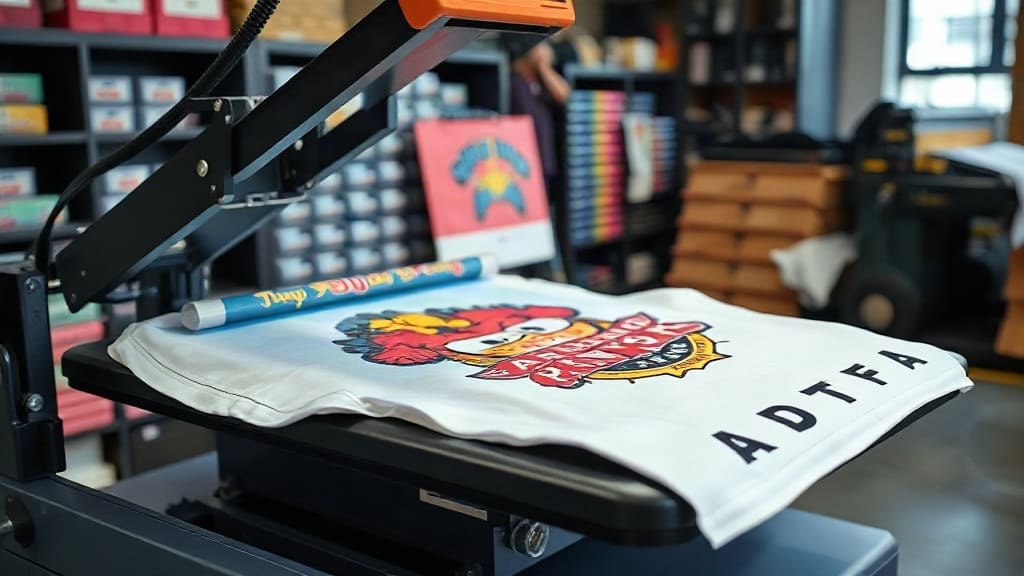
If you've been exploring custom apparel printing, you've likely heard about DTF transfers. This game-changing technique has taken the industry by storm, offering a versatile and cost-effective way to create stunning designs on various fabrics. But what exactly are DTF transfers, and why are they becoming the go-to choice for businesses and hobbyists alike? In this guide, we'll break down everything you need to know, from the basics to practical tips that will help you get the best results.
What Are DTF Transfers?
DTF stands for Direct to Film. It's a printing method where a design is printed onto a special PET film using a DTF printer and then transferred onto fabric using a heat press. Unlike traditional screen printing or heat transfer vinyl, DTF doesn't require weeding or special pretreatment for most fabrics. You simply print, apply adhesive powder, cure, and press.
The process has gained popularity because it allows for high-detail, full-color prints without the setup costs of screen printing. Whether you're creating custom t-shirts, hoodies, or tote bags, DTF transfers offer flexibility and quality that's hard to beat.
How Do DTF Transfers Work?
Understanding the process can help you troubleshoot and get the best outcomes. Here's a step-by-step breakdown:
- Design creation: Your artwork is prepared using graphic software, with colors and details optimized for printing.
- Printing: The design is printed onto a clear PET film using water-based or pigment inks, specifically formulated for DTF.
- Adhesive application: A hot-melt adhesive powder is applied to the wet ink. The powder sticks to the printed areas, and after drying, it creates a strong bond when pressed.
- Shake and cure: Excess powder is shaken off, and the film is heated to partially melt the adhesive, making it ready for transfer.
- Pressing: The film is placed on the fabric, and a heat press applies pressure and heat (usually around 320°F for 15-20 seconds). The film is peeled off either hot or cold, depending on the manufacturer's instructions.
It's essential to follow the specific guidelines for your materials to achieve a durable and vibrant print.
Why Choose DTF Transfers?
There are several compelling reasons to switch to DTF transfers:
- Versatility: DTF works on a wide range of fabrics, including cotton, polyester, blends, and even nylon. It's perfect for items like backpacks or denim, where other methods may fail.
- Vibrant colors: The white underbase in DTF prints makes colors pop, even on dark garments.
- Soft hand feel: The prints are flexible and don't crack easily, maintaining a soft texture that's comfortable to wear.
- Cost-effective for small batches: Unlike screen printing, there's no need for screens or minimum orders. You can print one-offs or small runs economically.
- High detail: DTF can reproduce intricate designs with gradients and fine lines, making it ideal for logos and detailed artwork.
DTF Transfers vs. Other Methods
To appreciate DTF fully, it helps to compare it with other popular techniques:
DTF vs. Screen Printing
Screen printing is renowned for durability and cost-effectiveness at scale. However, it requires significant setup (screens, squeegees), making it impractical for small orders. DTF offers a quicker turnaround and no setup fees, but for massive quantities, screen printing still wins on price per unit.
DTF vs. Heat Transfer Vinyl (HTV)
HTV is great for simple designs with solid colors, but cutting and weeding can be tedious. DTF handles complex, multi-colored designs without extra labor. Additionally, DTF stretches better and lasts longer, especially on stretchy fabrics.
DTF vs. Sublimation
Sublimation requires polyester fabrics and yields permanent prints that don't crack. However, it's limited to light-colored, polyester-rich materials. DTF works on cotton and darker colors, making it more versatile, though the print may not be as integral as sublimation.
Tips for Perfect DTF Transfers Every Time
Based on real-world experience, here are some pointers to elevate your DTF game:
- Use high-quality films and inks: Cheap materials often lead to poor adhesion or color fading. Invest in reputable brands.
- Calibrate your printer: Ensure your printer settings match the film and ink type. Run test prints to check color accuracy and alignment.
- Don't skimp on adhesive powder: Apply enough powder to cover the ink thoroughly, but not so much that it leaves a residue. A consistent layer is key.
- Press with the right pressure: Too little pressure can result in a weak bond, while too much can distort the design. Aim for medium to firm pressure.
- Pre-press your garment: This removes moisture and wrinkles, ensuring a smoother transfer.
- Peel carefully: Follow the recommended peel method (hot or cold). Peeling too early or too late can affect the finish.
- Test on scrap fabric: Before working on your final product, test to check temperature, time, and pressure settings.
Common Mistakes to Avoid
Even experienced printers make mistakes. Here are some pitfalls to steer clear of:
- Skipping the cure step: Without proper curing, the adhesive won't activate correctly, leading to peeling after washing.
- Using incorrect temperature: Too low and the adhesive won't melt; too high and the film may melt or scorch the fabric.
- Not storing films properly: Moisture can affect PET film, causing curling or print defects. Keep them in a dry place.
- Ignoring fabric type: While DTF is versatile, some fabrics with heavy texture may require lower pressure or a different peel method.
Applications of DTF Transfers
The possibilities are endless. DTF is perfect for:
- Custom t-shirts and apparel
- Sportswear and athletic gear
- Work uniforms and team merchandise
- Promotional products like hats and bags
- Personalized gifts and crafts
Because DTF doesn't require a pretreat like sublimation, you can quickly produce items on demand, making it ideal for e-commerce businesses that drop-ship or print on demand.
Frequently Asked Questions
Can DTF transfers be used on dark colored garments?
Absolutely. In fact, DTF excels on dark fabrics because of the white underbase that ensures colors remain vivid. The white layer prevents the fabric color from affecting the design.
How durable are DTF transfers?
When applied correctly, DTF transfers are highly durable. They can withstand repeated washing without cracking or fading, especially if you use quality materials and follow the recommended care instructions. For best results, turn garments inside out and wash in cold water.
Do DTF transfers have a soft hand feel?
Yes, one of the major advantages is the soft texture. The adhesive layer is thin and flexible, so the print doesn't feel stiff or heavy. This makes DTF comfortable for everyday wear.
What is the cost of DTF transfers?
The cost varies based on design size, colors, and quantity. For small batches, DTF is very affordable. For large quantities, screen printing might be cheaper per piece. However, DTF eliminates setup costs, making it cost-effective for any order size.
Can I use DTF transfers on cotton and polyester?
Yes, DTF works on both natural and synthetic fabrics. It's especially useful for cotton, which is not suitable for sublimation. Just ensure you adjust your press settings based on the fabric type.
Final Thoughts
DTF transfers have opened up a world of possibilities for custom printing. Whether you're a seasoned professional or just starting, this method offers a perfect blend of quality, versatility, and ease of use. By understanding the process and applying best practices, you can create stunning, long-lasting prints that will impress your customers or elevate your own projects. So why not give DTF a try? You might find it's the missing piece in your printing arsenal.