
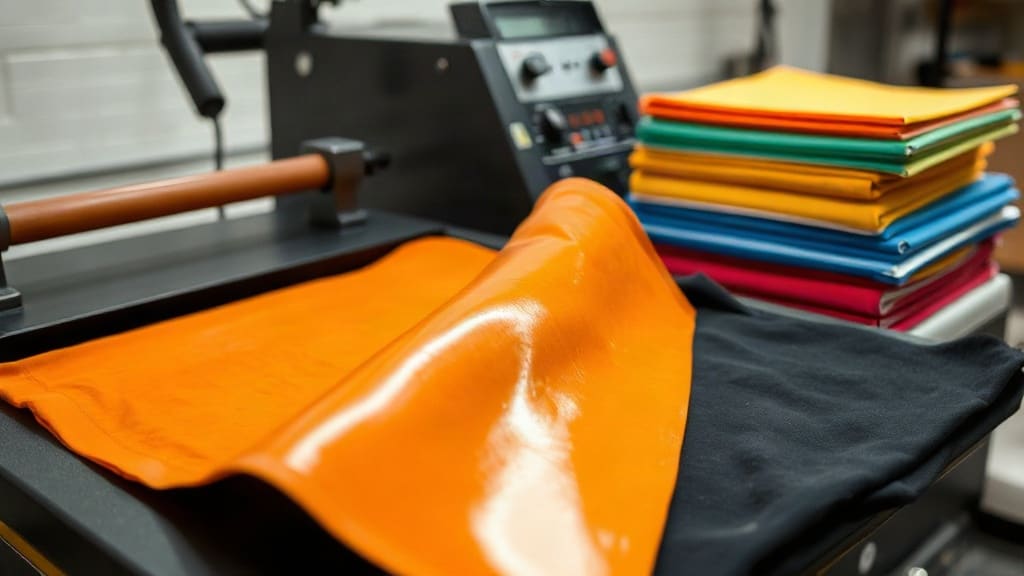
When you're in the middle of a custom apparel project, searching for DTF transfers near me can feel like a race against time. You need a supplier who delivers vibrant prints, durable transfers, and quick turnaround—without sacrificing quality. Whether you're a small business owner, a hobbyist, or someone creating personalized gifts, the choice of transfer partner makes all the difference. In this guide, I'll share what I've learned from working with local and online DTF providers, so you can make an informed decision and get the best results for your money.
Why Choosing the Right DTF Transfer Provider Matters
DTF (Direct to Film) printing has revolutionized custom apparel because it allows for high-detail, full-color designs on various fabrics, including cotton, polyester, and blends. However, not all DTF transfers are created equal. The quality of the film, adhesive powder, and printing process directly impacts the final look and longevity of your prints. A poorly made transfer can crack, fade, or peel after just a few washes, leaving your customer or yourself disappointed.
When searching for DTF transfers near me, you're not just looking for a printer; you're looking for a partner who understands the nuances of the process. The right provider will use high-quality inks, proper curing techniques, and precise cutting to ensure your designs pop and last. They'll also offer guidance on fabric compatibility and washing instructions—something you rarely get from a generic online order.
Key Factors to Evaluate in a Local DTF Transfer Provider
To avoid wasting time and money, here are the most important things to check when evaluating a local DTF transfer shop:
Print Quality and Materials
Ask to see physical samples of their work. Look for sharp edges, vibrant colors, and a soft feel to the transfer. High-quality DTF transfers should have a slight stretchability and not feel thick or plasticky. Inquire about the type of film they use—premium film releases cleanly and doesn't leave a residue. Also, ask about the adhesive powder; a good powder ensures strong bonding without excessive stiffness.
Turnaround Time and Reliability
Local providers often offer faster turnaround since you can pick up or ship locally. But verify their claimed delivery times. Ask how they handle rush orders and whether they have a backup plan if their equipment fails. A reliable provider will communicate openly about delays and keep you updated on your order's status.
Pricing Transparency
Compare prices per square foot or per transfer. Be wary of extremely low prices, as they often indicate lower quality materials or rushed work. A reputable provider will give you a clear quote based on your design size and quantity, and they'll explain any additional costs like setup fees or color adjustments.
Customer Service and Expertise
Do they answer your questions patiently? Can they recommend the best transfer type for your specific fabric? A knowledgeable team is a sign of a business that cares about its craft. They should also provide guidance on how to apply the transfers correctly—temperature, pressure, and peel time—to ensure the best outcome.
Comparing Local vs. Online DTF Transfer Services
While you're searching for DTF transfers near me, you might also consider online options. Here's a balanced comparison to help you decide:
Advantages of Local Providers
- Speed: You can often get same-day or next-day service for urgent orders.
- Hands-on Support: You can see and feel the products before committing, and have face-to-face conversations to clarify details.
- Support Local Economy: You're helping a neighbor's business thrive.
Advantages of Online Providers
- Cost-Effective for Bulk: Online companies often have lower overheads, leading to better prices for large quantities.
- Wider Range of Services: Some online shops offer specialized finishes like glitter or puff, which might not be available locally.
- Convenience: You can order from your couch and have transfers shipped to your door.
If you need a small batch quickly, local is often best. But for large volume or unique effects, a reputable online service might be worth the shipping time. Always check reviews and ask for samples from online providers, too.
Step-by-Step: How to Vet a Local DTF Transfers Shop
Once you've shortlisted a few DTF transfers near me, follow this vetting process:
- Visit or Call: Drop by the shop or call to ask about their process. A legitimate business will welcome your interest.
- Request Samples: Ask for a test transfer on a fabric similar to what you'll use. Apply it yourself or ask them to demonstrate. Check washability by washing a sample a few times.
- Ask for References: Request contact info of other customers—especially those who run similar businesses—and ask about their experience.
- Compare Quotes: Get quotes from at least three providers to understand the market rate. Don't just choose the cheapest; consider the value.
- Test Their Support: Send a tricky question about a specific fabric or color. Their response will tell you a lot about their knowledge and customer service.
Common Pitfalls to Avoid When Choosing DTF Transfers
Even with good intentions, you might make mistakes. Here are pitfalls I've seen (and some I've made myself):
- Ignoring the Base Fabric: DTF works on many fabrics, but the temperature and pressure needed vary. A provider who doesn't ask about your fabric may not be experienced.
- Overlooking Color Matching: If your brand has a specific Pantone color, ensure the provider can match it. Ask for a proof before final printing.
- Skipping the Test Print: Always do a test print before committing to a large order. It saves you from costly mistakes.
- Choosing Price Over Quality: A super cheap transfer might save money upfront but cost you in returns and reputation.
How to Get the Best Results from Your DTF Transfers
Once you've selected your provider, follow these tips to ensure flawless application:
Preparing Your Artwork
Make sure your design is high resolution (300 DPI is ideal) and in the correct color format (CMYK is standard for DTF). If you're providing a PNG with transparency, ensure the background is truly transparent—no white edges. Your provider can guide you, but you'll save time by having clean files ready.
Applying the Transfer
Use a heat press, not a home iron, for consistent results. Set the temperature to around 275°F (135°C), apply medium to firm pressure, and press for 10-15 seconds. After pressing, peel the film while it's still warm (or cool, depending on the provider's instructions). Always follow the specific instructions from your DTF transfer manufacturer.
Post-Application Care
Advise your customers to wash garments inside out in cold water and avoid using fabric softeners or bleach. Tumble dry on low and iron inside out if needed. Proper care extends the life of the print.
Frequently Asked Questions
How much do DTF transfers typically cost per square foot?
Prices vary widely based on your location, quality, and order volume. On average, you can expect to pay between $0.50 and $3.00 per square foot. For a standard 8x10 inch transfer, that's roughly $0.30 to $1.00 per transfer. Local providers might charge a bit more due to overhead, but you save on shipping and time.
Can I use DTF transfers on dark-colored shirts?
Yes, DTF transfers work beautifully on dark fabrics because the white ink layer acts as an underbase. This makes colors pop and remains vibrant even on black shirts. Just ensure your provider prints a sufficient white layer for opacity.
How long do DTF transfers last on garments?
With proper application and care, a high-quality DTF transfer can last over 50 washes without significant fading or cracking. The key is using quality materials and following correct application and washing instructions.
What is the minimum order quantity for DTF transfers?
Many local shops have no minimum order, especially for custom designs. However, if you want to reduce costs, ordering in bulk (like 50 or 100) can bring the price down. Online providers may have a minimum square footage, so always check their policies.
Do I need to own a heat press to use DTF transfers?
Yes, you'll need a heat press to apply DTF transfers correctly. A home iron doesn't provide consistent heat and pressure, which can cause peeling or incomplete adhesion. If you're just starting, consider borrowing a heat press from a local print shop or investing in a basic one—they're relatively affordable and pay off quickly if you're making shirts regularly.
Final Thoughts
Finding the perfect DTF transfers near me doesn't have to be a gamble. By focusing on quality, asking the right questions, and testing samples, you can build a reliable relationship with a provider who delivers exactly what you need. Remember, the cheapest option is rarely the best, and the time you invest in vetting will save you from headaches later. So take the time, do your research, and soon you'll be producing professional-looking apparel that stands out.