
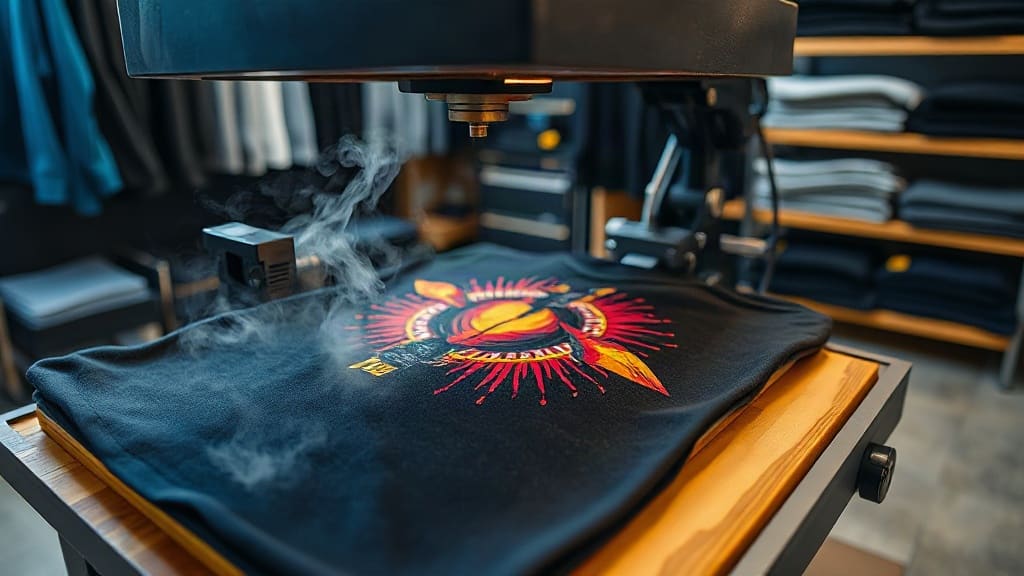
If you've been exploring custom printing options, you've likely heard about dtf transfers. These innovative transfers have taken the apparel industry by storm, offering a versatile and cost-effective way to create vibrant designs on various fabrics. Whether you're a seasoned printer or a hobbyist looking to start your own brand, understanding the ins and outs of DTF is essential. In this comprehensive guide, we'll walk you through everything you need to know, from the printing process to application tips, and help you decide if DTF is the right choice for your projects.
What Are DTF Transfers?
DTF stands for Direct to Film. Unlike traditional methods like screen printing or heat transfer vinyl, DTF involves printing your design onto a special film, applying adhesive powder, and then heat pressing the design onto your garment. The result is a soft, durable, and highly detailed print that works on a wide range of materials, including cotton, polyester, blends, and even nylon.
The beauty of dtf transfers lies in their simplicity and versatility. You don't need to worry about weeding intricate designs, as the process handles everything for you. This makes it an excellent option for both small orders and large production runs.
How Does DTF Printing Work?
The DTF process involves several key steps:
- Design Creation: Using graphic design software, you create your artwork. Ensure it's high resolution (300 DPI recommended) and in CMYK color mode for best results.
- Printing: The design is printed onto a special PET film using a DTF printer. These printers use CMYK plus white ink to ensure colors pop, especially on dark fabrics.
- Applying Adhesive Powder: While the ink is still wet, a hot-melt adhesive powder is applied to the printed film. This powder is what binds the design to the fabric.
- Curing: The film is then heated to melt the adhesive powder, creating a strong bond. This can be done with a heat press or a dedicated curing oven.
- Transfer: Finally, the film is placed on the garment with the design facing down, and heat pressed at the appropriate temperature and pressure for a specific duration.
Once peeled, your design is ready! The entire process is relatively quick, making it perfect for on-demand printing and small batch orders.
Benefits of Using DTF Transfers
There are numerous reasons why businesses and crafters are switching to DTF. Here are some of the standout benefits:
- Versatility: DTF works on almost any fabric, including cotton, polyester, blends, and even leather. This opens up a world of possibilities for your products.
- Soft Hand Feel: The prints have a soft texture that doesn't crack or fade easily, making them comfortable to wear.
- Vibrant Colors: With white ink underbase, colors remain brilliant even on dark garments.
- No Weeding: Unlike vinyl, DTF transfers require no tedious weeding, saving you time and effort.
- Cost-Effective: For small to medium runs, DTF is often more affordable than screen printing, as there are no setup costs.
- Easy to Use: The process is straightforward, making it accessible for beginners.
DTF Transfers vs. Other Printing Methods
To truly appreciate DTF, it's helpful to compare it with other popular methods:
DTF vs. Screen Printing
Screen printing is great for large quantities and offers excellent durability. However, it requires significant setup, and each color is a separate screen. DTF is more flexible for small orders and multi-color designs, with no setup fees.
DTF vs. Heat Transfer Vinyl (HTV)
HTV is perfect for simple designs and offers a solid color layer. But it can be tricky with intricate details and requires weeding. DTF handles complex designs effortlessly and produces a softer feel.
DTF vs. Sublimation
Sublimation works only on polyester fabrics and light colors, limiting its application. DTF is more versatile, working on both light and dark garments of various compositions.
How to Apply DTF Transfers
Applying dtf transfers correctly is crucial for a professional finish. Here's a step-by-step guide:
- Preheat your heat press to the recommended temperature (usually around 300°F or 150°C).
- Place your garment on the press and pre-press it for a few seconds to remove wrinkles and moisture.
- Position the DTF transfer onto the garment, with the film side up.
- Use heat-resistant tape to secure the transfer in place.
- Press with medium to firm pressure for 10-15 seconds.
- While still warm, peel the film off the garment. For best results, peel hot.
- If any areas seem lifted, place a piece of parchment paper over the design and press again for a few seconds.
Always refer to the specific instructions from your transfer provider, as temperatures and times can vary based on the film and adhesive used.
Tips for Perfect DTF Results
Getting the best out of your dtf transfers takes a bit of practice. Here are some expert tips:
- Use high-quality designs with high contrast and resolution.
- Calibrate your printer regularly to ensure consistent colors.
- Store your printed films in a cool, dry place to prevent the adhesive from degrading.
- Test on a scrap fabric before committing to your final garment.
- Adjust your heat press settings based on the fabric type. For example, delicate fabrics may need lower temperature and pressure.
- Ensure your garment is completely dry and free from any residue.
Common Mistakes to Avoid
Even experienced printers can make errors. Here are some pitfalls to watch out for:
- Incorrect Heat Settings: Too high or too low temperatures can ruin your transfer. Always test and adjust.
- Not Using Enough Pressure: Inadequate pressure can cause the design to not adhere fully.
- Peeling Too Early: Make sure the adhesive has melted properly before peeling. Usually, it's best to peel hot, but some films require cold peel. Check instructions.
- Skipping the Pre-press: Pre-pressing removes moisture and ensures a flat surface, which is essential for even adhesion.
- Poor Film Handling: Don't let the film get dirty or scratched, as this can affect print quality.
DTF Transfers for Business
If you're thinking of starting a custom apparel business, dtf transfers offer a low-cost entry point. You don't need to invest in expensive screen printing equipment. A DTF printer and a heat press are relatively affordable, allowing you to produce professional-quality products from home.
One of the biggest advantages for businesses is the ability to print on demand. No more holding large inventories; you can print exactly what you need when you need it. This reduces waste and upfront costs.
Moreover, DTF opens up opportunities for personalization. You can easily produce one-off items for individual customers, making it perfect for gifts, team uniforms, or special events.
Frequently Asked Questions
Can DTF transfers be used on dark fabrics?
Yes, absolutely. One of the major benefits of DTF is its ability to print on dark colors. The white ink base ensures that your design retains its vibrancy even on black or navy garments. This is a significant advantage over sublimation, which only works on light colors.
How long do DTF prints last?
When applied correctly and cared for properly, DTF prints are highly durable. They can withstand numerous washes without cracking or fading. To extend their lifespan, wash garments inside out in cold water and avoid using harsh detergents or bleach.
Do I need a special printer for DTF transfers?
Yes, DTF printing requires a printer that can handle white ink and has the capability to print on film. There are dedicated DTF printers available, but you can also modify some eco-solvent or pigment printers. However, for best results, it's recommended to use a printer specifically designed for DTF.
What is the cost of starting with DTF?
The initial investment for a DTF setup includes the printer (around $2,000 to $5,000), a heat press (around $300 to $1,000), and consumables like film, ink, and adhesive powder. This can be more affordable than screen printing equipment, especially for small businesses.
Can I use DTF transfers on any fabric?
DTF transfers work on a wide range of fabrics, including cotton, polyester, nylon, and blends. They are not recommended for very stretchy materials like spandex, as the print may not stretch with the fabric. Always test on a small piece before full production.
Conclusion
DTF transfers have truly revolutionized the custom printing industry. Their versatility, ease of use, and high-quality results make them an attractive option for both hobbyists and professionals. By understanding the process, benefits, and best practices, you can create stunning apparel that stands out. Whether you're looking to start a business or simply want to make custom gifts, DTF offers a practical and fun solution.
Remember to invest in quality materials and take the time to perfect your technique. With a little practice, you'll be producing professional-grade prints that your customers or friends will love. So why wait? Dive into the world of DTF and unleash your creativity today!