
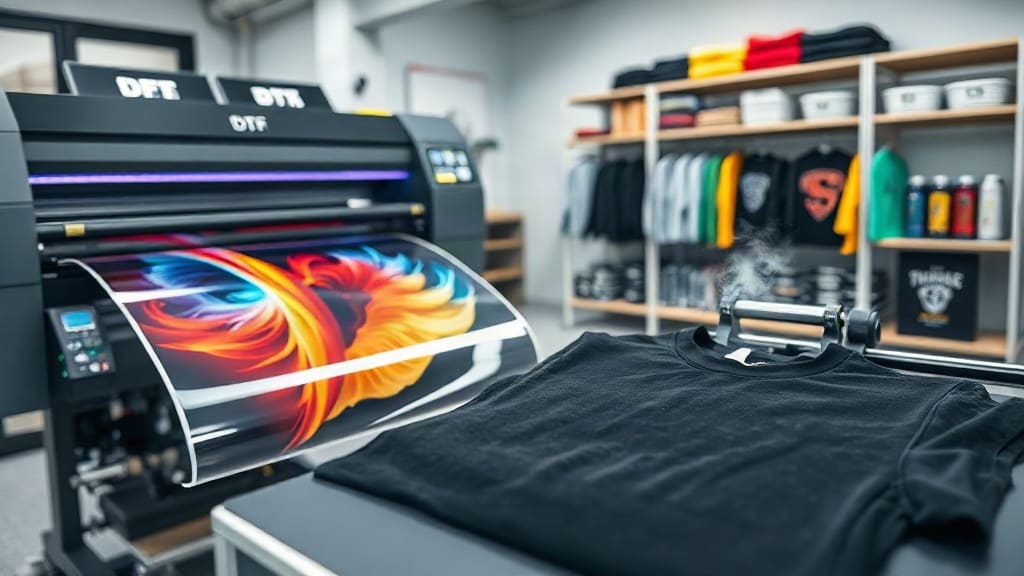
If you are exploring custom printing options, you have likely come across the term DTF and wondered what makes it so popular. DTF, which stands for Direct to Film, is a revolutionary printing method that is changing how businesses and hobbyists create custom apparel and accessories. Unlike traditional methods, DTF offers versatility, vibrant colors, and ease of use. In this comprehensive guide, we will dive deep into everything you need to know about DTF transfers, from the printing process to finding reliable DTF transfers near me. Whether you are a seasoned printer or just starting, this guide will equip you with the knowledge to make informed decisions and elevate your printing game.
What Is DTF Printing?
Direct to Film (DTF) printing is a digital printing technique where designs are printed onto a special PET film using CMYK and white ink. The film is then covered with a hot-melt adhesive powder, which is cured, and the resulting transfer is heat-pressed onto fabrics. This method is celebrated for its ability to print on a wide range of materials, including cotton, polyester, blends, and even hard surfaces like wood and glass. The process was developed as an alternative to traditional screen printing and DTG (Direct to Garment), offering a hybrid solution that combines the best of both worlds.
The DTF Transfer Process Explained
Understanding the step-by-step process helps you appreciate the technology and its potential. Here is how a typical DTF transfer is created:
1. Designing the Artwork
Everything begins with a digital design. Using graphic software, you create or select an image, ensuring it is high resolution and compatible with the printer. You can print full-color designs, gradients, and intricate details without the need for color separation.
2. Printing onto PET Film
The design is printed onto a special PET film using DTF printers equipped with CMYK plus white ink. The print order is crucial: white ink is laid down first, then colored inks on top. This ensures the colors pop on both light and dark garments.
3. Applying Adhesive Powder
While the ink is still wet, a hot-melt adhesive powder is applied to the printed film. This powder is what allows the transfer to bond with the fabric when heat-pressed. The powder is evenly distributed and then cured using heat, melting it into the ink layer.
4. Curing the Transfer
The film with the powder is passed through a curing oven or heat press to melt the powder and fuse it with the ink. This creates a durable, flexible transfer that can be stored for later use.
5. Heat Pressing onto Garments
Finally, the transfer is placed on the garment (facing down) and pressed with a heat press at a recommended temperature and time. After peeling (hot or cold, depending on the transfer), a vibrant, tactile print remains.
DTF vs. DTG vs. Screen Printing: Which Is Right for You?
Choosing the right printing method depends on your needs. DTF stands out for its flexibility and cost-effectiveness, but let us compare it with other common methods.
DTF vs. DTG (Direct to Garment)
DTG prints directly onto the garment, but it works best on 100% cotton and requires pre-treatment for darker fabrics. DTF, on the other hand, can print on a wide range of materials without pre-treatment, making it more versatile. Additionally, DTF transfers can be produced in bulk and stored, whereas DTG prints one at a time.
DTF vs. Screen Printing
Screen printing is ideal for large orders due to its low per-unit cost, but it has high setup costs and is limited in color complexity. DTF offers a lower initial investment for small to medium runs and allows for intricate, full-color designs with no extra setup. For orders with multiple variations or one-off prints, DTF is more practical.
Key Benefits of Using DTF Transfers
Why are DTF transfers becoming a go-to choice? Here are the top advantages:
- Versatility: DTF works on a vast array of fabrics and hard surfaces, including cotton, polyester, nylon, leather, and even wood.
- Vibrant Colors: The white ink base ensures colors are vivid and opaque, even on dark materials.
- Soft Hand Feel: Modern DTF films and powders produce prints that are soft and stretchable, not stiff or heavy.
- Durability: DTF prints withstand repeated washing and wear without cracking or fading.
- Easy Production: You can print transfers on demand and store them, saving time and reducing waste.
- Cost-Effective: No screen setup or minimum order requirements, making it perfect for small businesses and startups.
Applications: Where Can You Use DTF Transfers?
The applications are nearly limitless. Here are some popular uses:
Apparel and Fashion
Custom T-shirts, hoodies, sweatpants, socks, and caps are the most common. DTF allows you to create unique, personalized garments for retail or promotional purposes.
Accessories and Hard Goods
Tote bags, hats, backpacks, mouse pads, and even ceramic mugs can be decorated with DTF transfers, provided the surface can withstand heat and pressure.
Sports and Team Wear
Because DTF prints are durable and stretchable, they are excellent for jerseys and activewear, where flexibility is crucial.
Personalized Gifts
From photo-printed pillows to custom baby onesies, DTF makes thoughtful and unique gifts that are easy to produce at home or in a small shop.
How to Choose a Reliable DTF Supplier or Service
Whether you plan to start your own DTF printing business or use a service, selecting a trustworthy provider is critical. Here is what to look for:
Quality and Reliability
Check the print quality by requesting samples. A reliable supplier will have consistent colors, sharp details, and proper adhesive coverage. Read reviews and ask for referrals.
Production and Turnaround Times
If you have deadlines, ensure the supplier can meet them. Ask about their production capacity and shipping times.
Customer Support
Good communication is essential. A provider that offers support, troubleshooting, and guidance can be a valuable partner, especially if you are new to DTF.
Pricing and Minimums
Compare prices per transfer and any setup fees. Some suppliers have no minimum order, which is beneficial for testing or small projects.
Finding DTF Transfers Near Me
If you prefer to work with a local supplier for faster turnaround and personal interaction, searching for DTF transfers near me is a smart move. But how do you find the best local option?
Online Search Strategies
Use search engines with location-specific keywords like "DTF transfers in [your city]" or "custom DTF printing near me." Review business websites, portfolios, and customer testimonials.
Social Media and Community Groups
Platforms like Instagram and Facebook often showcase local printers. Join local business groups or printing communities to get recommendations and see their work firsthand.
Trade Shows and Local Events
Attend industry events, craft fairs, or expos where printing vendors exhibit. This allows you to see quality in person and discuss your needs directly.
Setting Up Your Own DTF Printing Business
If you are entrepreneurial, starting a DTF printing business might be appealing. Here are the essential steps:
Invest in the Right Equipment
You will need a DTF printer, PET film, adhesive powder, a heat press, and a curing oven (or a printer with integrated curing). Research reputable brands that offer good support.
Learn the Techniques
Mastering DTF printing takes practice. Start with simple designs, experiment with different fabrics, and fine-tune your heat press settings for optimal results.
Secure Suppliers
Establish relationships with film, ink, and powder suppliers to ensure consistency and competitive pricing.
Market Your Services
Create a portfolio, build a website, and offer samples to potential customers. Use social media to showcase your work and attract local clients searching for DTF transfers near me.
Common Mistakes to Avoid When Using DTF Transfers
Even experts stumble occasionally. Here are some pitfalls to steer clear of:
- Using low-resolution images: This leads to pixelated prints. Always use high-quality designs.
- Incorrect heat press settings: Follow the transfer manufacturer's instructions for temperature, time, and pressure.
- Peeling too early: Some transfers require a hot peel, others cold. Test to determine the right technique.
- Neglecting film storage: Keep unused transfers in a cool, dry place to prevent adhesive degradation.
Frequently Asked Questions (FAQ)
Can DTF transfers be used on any fabric?
Yes, DTF transfers are highly versatile. They work on cotton, polyester, nylon, blends, and even denim and leather. However, always test on a small area first, as some materials might require special handling or lower heat settings.
How many washes can a DTF transfer withstand?
With proper application and care, DTF prints can last for 50 washes or more without significant fading or cracking. To maximize longevity, wash garments inside out in cold water and avoid using harsh detergents or fabric softeners.
Do DTF transfers have a texture?
DTF prints have a slightly raised texture due to the adhesive layer, but modern formulations produce a soft, flexible feel that is comfortable to wear. The texture is often less noticeable than traditional screen print plastisol.
What is the minimum order quantity for custom DTF transfers?
Many suppliers offer no minimum order, meaning you can order a single transfer. This makes DTF ideal for personalized items or small test runs. However, pricing per transfer may decrease with larger quantities.
Can I use DTF transfers on hard surfaces like wood or glass?
Yes, DTF transfers can be applied to hard surfaces that can tolerate the heat and pressure of a heat press. This includes items like mouse pads, wood signs, and even ceramic tiles. Just ensure the surface is flat and heat-resistant.
Conclusion
DTF transfers have revolutionized the custom printing industry, offering a perfect blend of flexibility, quality, and affordability. Whether you are looking to start a business, enhance your current printing capabilities, or simply create unique personalized items, understanding the process and benefits of DTF is invaluable. By leveraging local resources and searching for DTF transfers near me, you can find a supplier that meets your needs and ensures your projects turn out brilliantly. Remember to consider the quality, turnaround, and support when choosing a provider. With the right knowledge and tools, you can unlock endless creative possibilities.