
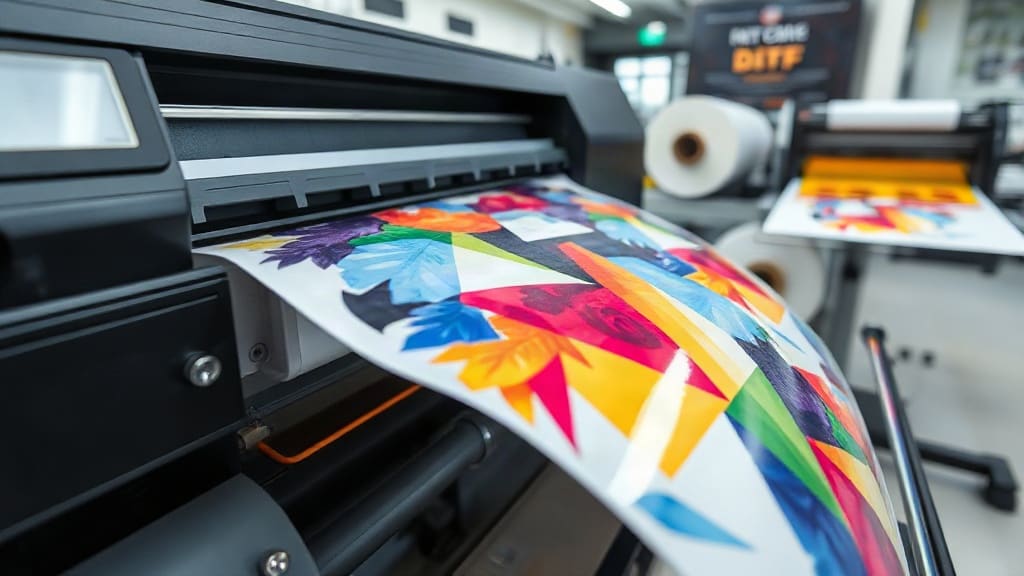
If you're in the custom apparel business, you've likely heard about dtf transfers. This innovative printing method has taken the industry by storm, offering a versatile and cost-effective way to produce high-quality designs on a wide range of fabrics. Whether you're a seasoned printer looking to expand your services or a hobbyist exploring new techniques, understanding the ins and outs of DTF transfers is essential. In this comprehensive guide, we'll dive deep into what DTF transfers are, how they work, and how you can achieve professional results every time.
What Are DTF Transfers?
DTF stands for Direct to Film. It's a printing method where a design is printed onto a special PET film using a DTF printer, then coated with adhesive powder. Once the powder is melted and cured, the film can be transferred onto a substrate using a heat press. This process allows for vibrant, detailed prints on cotton, polyester, blends, and even tricky materials like nylon or leather.
How Does DTF Printing Work?
The DTF process involves several steps, each crucial for achieving a durable and vibrant transfer. Here's a breakdown of the typical workflow:
- Printing: A DTF printer prints the design onto a PET film using specialized water-based or pigment inks. These printers often have a white ink station to create an underbase, ensuring colors pop on dark garments.
- Powder Application: While the ink is still wet, an adhesive powder is applied to the film. This powder is usually a hot-melt adhesive that activates under heat.
- Curing: The film is then passed through a curing oven or heat source to melt the powder, creating a uniform adhesive layer. This step is critical for the transfer's adhesion.
- Transfer: The cured film is placed on the garment with the printed side down, and a heat press applies pressure and heat. The adhesive melts, bonding the design to the fabric.
- Peeling: After pressing, the film is peeled off, leaving the design on the garment. The result is a soft, stretchable print that doesn't crack easily.
Advantages of DTF Transfers
DTF transfers offer numerous benefits that make them a favorite among printers:
- Versatility: Works on a variety of fabrics, including cotton, polyester, blends, and even synthetic materials that are traditionally challenging for other methods.
- Vibrant Colors: The white underbase ensures that colors remain bright and opaque, even on dark shirts.
- Soft Hand Feel: Unlike some other transfer methods, DTF prints have a soft texture, making them comfortable to wear.
- Durability: DTF transfers are known for their excellent washability. They can withstand repeated washes without fading or cracking.
- Cost-Effective: For small to medium orders, DTF transfers are more economical than screen printing, as there are no screen setup costs.
- Detail Reproduction: The printing process captures fine details and gradients exceptionally well, making it ideal for complex designs.
DTF Transfers vs. Other Methods
To fully appreciate DTF transfers, it's helpful to compare them with popular alternatives like screen printing and heat transfer vinyl (HTV).
DTF vs. Screen Printing
Screen printing is a traditional method that involves creating screens for each color. It's excellent for large runs because it's fast and cost-effective at scale. However, it requires a significant upfront investment for screens and is less practical for small orders or designs with many colors. DTF transfers, on the other hand, have no such setup costs, making them perfect for on-demand printing and small batches. Additionally, DTF prints are softer and more flexible than screen-printed designs, which can sometimes feel stiff.
DTF vs. HTV
Heat transfer vinyl involves cutting designs from colored vinyl sheets and pressing them onto garments. While HTV is great for simple, one-color designs, it falls short when it comes to detailed, multi-colored graphics. DTF transfers can reproduce full-color photographs and intricate artwork with ease, offering a level of detail that HTV can't match. Moreover, DTF prints have a better hand feel and durability compared to HTV, which can crack or peel over time.
How to Use DTF Transfers for Best Results
Getting the most out of dtf transfers requires attention to detail and proper technique. Here are some expert tips to ensure your transfers come out perfect every time.
Choosing the Right Film
Not all PET films are created equal. Invest in high-quality films that are specifically designed for DTF printing. Look for films that offer good ink absorption and a smooth surface for powder adhesion. Cheaper films may cause issues like ink bleeding or poor powder adhesion, leading to subpar results.
Maintaining Your DTF Printer
Regular maintenance of your DTF printer is crucial for consistent output. This includes cleaning the print head regularly, checking for clogged nozzles, and ensuring proper ink viscosity. Always use high-quality DTF inks that are formulated for your printer model. Also, make sure to calibrate your printer to achieve accurate color reproduction.
Applying Adhesive Powder Correctly
The adhesive powder is what makes the transfer stick to the garment. It's essential to apply the right amount of powder. Too little powder can result in weak adhesion, while too much can cause the powder to bleed over the edges, creating a rough feel. Use a powder shaker or an automated applicator for even coverage. After applying the powder, tap off the excess and ensure the powder is evenly distributed, especially in intricate design areas.
Heat Press Settings
Temperature, pressure, and time are critical factors when transferring DTF films. Generally, a temperature of 160°C to 180°C (320°F to 356°F) is recommended, with medium pressure for 10 to 15 seconds. However, always refer to the specific recommendations from your film and powder suppliers, as they may vary. It's also wise to do a test press on a sample garment to fine-tune your settings.
Peeling Technique
After pressing, you have the option to peel the film hot or cold. Hot peeling is done immediately after pressing, while cold peeling involves waiting for the film to cool. The choice depends on the type of film and adhesive you're using. Some films are designed for hot peel, while others require cold peel. Always follow the manufacturer's instructions. Hot peeling can save time, but cold peeling may produce a cleaner release and better ink transfer.
Common Mistakes to Avoid
Even experienced printers can make mistakes when working with DTF transfers. Here are some common pitfalls and how to avoid them:
- Skipping the Pre-Press: Pre-pressing your garment for a few seconds removes moisture and wrinkles, ensuring better adhesion. Skipping this step can lead to poor transfer results.
- Incorrect Powder Removal: After applying powder, ensure you remove all excess powder, especially from areas that shouldn't have adhesive. Otherwise, you may get unwanted sticking or a stiff feel.
- Overheating: Excessive heat can cause the adhesive to degrade, resulting in poor adhesion or discoloration. Stick to recommended temperature ranges.
- Using Low-Quality Inks: Cheap inks may not bond well with the adhesive, leading to cracking or fading after washing. Invest in high-quality inks from reputable brands.
- Ignoring Film Storage: PET films should be stored in a cool, dry place away from direct sunlight. Exposure to moisture or heat can affect the film's performance.
Tips for Achieving Vibrant and Durable Prints
To make your DTF prints stand out and last long, consider these advanced tips:
Color Management
Proper color management is key to getting accurate colors. Use ICC profiles for your printer and film combination to ensure that the colors you see on screen match the final print. Calibrate your monitor and use color management software to maintain consistency across different jobs.
Design Optimization
When creating designs for DTF, avoid extremely thin lines or small text, as they may not transfer well. Keep your design resolution at least 300 DPI to ensure sharpness. Also, consider the garment color: if you're printing on a dark shirt, your design should have a white underbase layer to keep colors vivid.
Post-Press Care
After transferring, let the garment cool completely before handling. This allows the adhesive to set properly. Also, instruct your customers to wash the garments inside out in cold water and avoid using bleach or harsh detergents. This will prolong the life of the print.
Applications of DTF Transfers
DTF transfers are incredibly versatile and can be used in various industries:
- Custom Apparel: T-shirts, hoodies, sweatshirts, and more. DTF is perfect for small businesses that offer personalized clothing.
- Sportswear: DTF prints work well on performance fabrics, making them ideal for athletic wear.
- Merchandise: Bags, caps, and accessories can be customized with DTF transfers.
- Promotional Products: Create branded items like tote bags or mouse pads.
- Home Decor: DTF can be used on pillows, curtains, and other fabric-based home items.
Frequently Asked Questions
Can DTF transfers be used on dark-colored garments?
Yes, DTF transfers are excellent for dark garments because the white ink underbase ensures that colors remain vibrant and opaque. The white layer prevents the fabric color from showing through, resulting in a sharp, clear design.
How many washes can a DTF transfer withstand?
With proper application and care, DTF transfers can withstand 50 or more washes without significant fading or cracking. The key is to use high-quality materials and follow correct pressing guidelines.
What is the difference between DTF and DTG printing?
DTG (Direct to Garment) printing involves printing directly onto the fabric using a specialized inkjet printer. It's excellent for cotton garments and offers unlimited colors without a white underbase (unless printing on dark shirts). However, DTG is slower, has higher per-print costs for small runs, and doesn't work well on polyester. DTF, on the other hand, prints onto a film first, which is then transferred to the garment, making it faster and more versatile across fabric types.
Can DTF transfers be used on polyester fabrics?
Yes, DTF transfers work on 100% polyester and polyester blends. The adhesive bonds well to synthetic fibers, and the transfer process is compatible with these materials. This is a significant advantage over DTG, which often has issues with polyester.
Do I need a special heat press for DTF transfers?
You don't need a special heat press, but you do need a heat press that provides even pressure and accurate temperature control. A standard heat press works fine. Some printers use a clamshell or swing-away press; both are suitable. Just ensure you can apply firm, even pressure.
Conclusion
DTF transfers have revolutionized the custom printing industry, offering a flexible, durable, and high-quality solution for producing vibrant prints on a wide range of fabrics. By understanding the process, mastering the techniques, and avoiding common pitfalls, you can create professional prints that satisfy your customers and stand the test of time. Whether you're just starting or looking to improve your current DTF operations, this guide provides the knowledge you need to succeed. Remember to invest in quality materials, maintain your equipment, and always test your processes. With practice, you'll be producing stunning DTF transfers that showcase your creativity and skill.