
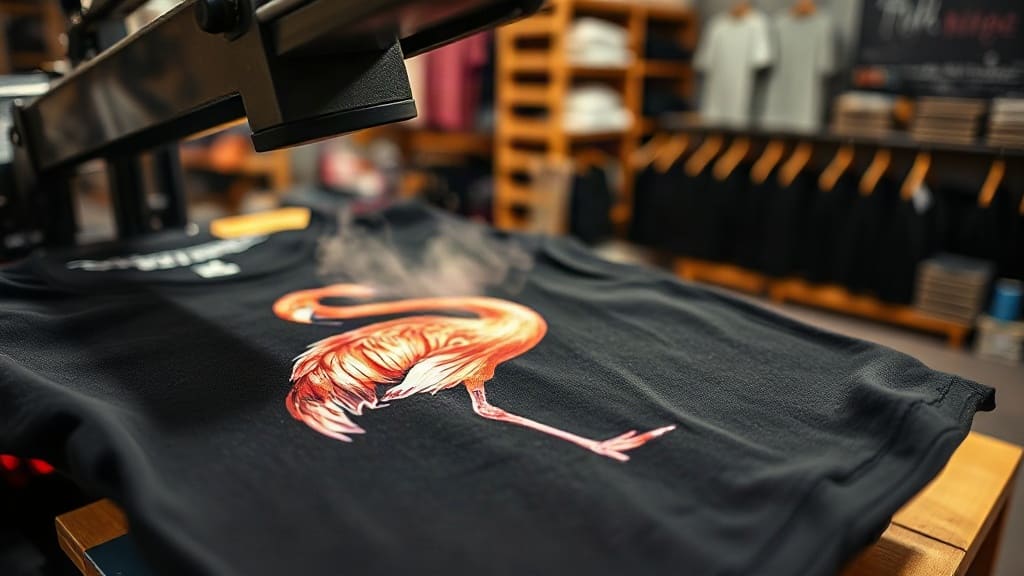
If you're in the custom apparel business, you've likely heard about DTF transfers. They're taking the industry by storm, offering a versatile and cost-effective way to create vibrant designs on various fabrics. But what exactly are they, and how do you use them effectively? In this guide, I'll share everything I've learned from using DTF transfers in my own printing projects, from the basics to advanced tips that will save you time and money.
What Are DTF Transfers?
DTF (Direct to Film) transfers are pre-printed designs on a special film that you can heat press onto garments. Unlike traditional screen printing or direct-to-garment (DTG) printing, DTF transfers are created on a PET film using a specialized printer with white ink and then coated with adhesive powder. Once you apply heat and pressure, the design transfers from the film to the fabric, leaving a soft, durable print.
How Do DTF Transfers Work?
The process starts with a digital design that is printed onto a clear or matte film using CMYK plus white ink. After printing, a hot-melt adhesive powder is applied to the wet ink, and the film is heated to cure the powder. When you're ready to apply, you cut out the design, place it on the garment, and press it with a heat press. The adhesive melts and bonds the ink to the fabric fibers, creating a permanent transfer.
Why Choose DTF Transfers?
Many print shops and entrepreneurs are switching to DTF transfers because of their flexibility. You can print on a wide range of materials, including cotton, polyester, blends, and even nylon. The colors are vibrant, and the prints are stretchable and durable. Plus, you can produce small batches without the setup costs of screen printing. Whether you're fulfilling custom orders or selling pre-made designs, DTF offers an accessible entry point.
Pros and Cons of DTF Transfers
Let's break down the advantages and potential drawbacks so you can decide if they're right for your business.
Advantages
- High print quality with fine details and vivid colors
- Works on many fabric types, including dark and light colors
- No screen setup, making it perfect for low-volume orders
- Soft hand feel compared to some other transfer methods
- Can be stored and applied later, giving you production flexibility
Disadvantages
- Initial investment in a printer and heat press can be significant
- Requires specialized equipment and materials (film, powder, etc.)
- Not ideal for very large prints due to film size limitations
- May have a slight learning curve to get perfect results
How to Apply DTF Transfers Step by Step
Getting professional results from DTF transfers is all about following the right process. Here's a detailed guide based on my own trial and error.
Step 1: Pre-Press Your Garment
Before applying the transfer, pre-press your garment for a few seconds to remove moisture and wrinkles. Set your heat press to the recommended temperature (usually around 300°F to 320°F) and press with medium pressure. This ensures a smooth surface for the transfer.
Step 2: Position the Design
Place the DTF transfer on the garment with the printed side facing down. Use a heat-resistant tape to secure the film in place so it doesn't shift during pressing. Make sure the design is centered and straight.
Step 3: Press with Heat and Pressure
Press the transfer for the manufacturer's recommended time, typically 15 to 20 seconds. Apply firm, even pressure. The temperature and time may vary based on the film and fabric, so always test on a scrap piece first.
Step 4: Peel the Film
After pressing, you have two options: hot peel or cold peel. Many DTF films are hot peel, meaning you peel immediately after the press while it's still hot. Others require cooling for a few seconds. Check the instructions that come with your film. Peel slowly and at a sharp angle to avoid lifting any ink.
Step 5: Post-Press (Optional)
Some printers recommend a post-press with a Teflon sheet over the design to ensure the adhesive fully cures. This step can enhance durability, especially if you'll wash the garment frequently.
Common Mistakes to Avoid
Even seasoned printers can mess up transfers. Here are common pitfalls I've encountered and how to avoid them.
- Using the wrong temperature: Too low means the adhesive won't bond; too high can scorch the fabric or film. Always follow the manufacturer's specs.
- Not pre-pressing: Skipping this step can trap moisture and cause poor adhesion.
- Incorrect pressure: If your press isn't even, parts of the design may not transfer. Use a pressure gauge if available.
- Peeling too quickly on cold-peel films: This can cause the ink to stick to the film and peel off with it.
- Cutting too close to the design: Leave a border of film around the design to prevent the edges from lifting.
Ordering DTF Transfers: What to Look For
If you're not printing your own, you can order DTF transfers from professional services. But all suppliers are not equal. Here's what I consider when choosing a vendor:
- Print quality: Look for reviews and samples. High-resolution prints with proper white underbase are essential.
- Film type: Some films are easier to peel and produce softer prints. Ask about their film and powder.
- Turnaround time: If you need rush orders, ensure they can meet your deadlines.
- Minimum order: Some have no minimums, which is great for testing.
- Customer support: A responsive team can help you troubleshoot issues.
DTF Transfers vs. Screen Printing vs. DTG
How do DTF transfers compare to other methods? For small batches and full-color designs, DTF is often more affordable than screen printing, which has high setup costs. DTG is great for detailed prints on cotton, but it's slower and doesn't work well on polyester. DTF shines when you need versatility and speed for custom orders.
Cost Comparison
Let's talk numbers. If you're ordering a single shirt, DTF might cost you around $5 to $10 per transfer, while screen printing could be $15 or more for just one item. DTG might be similar per print, but you'll have to pay for a printer that costs thousands of dollars. For a small business, starting with DTF transfers is a low-risk way to offer custom products.
Care Instructions for DTF Transfers
To keep your DTF prints looking fresh, tell your customers to wash the garment inside out in cold water and avoid using bleach or fabric softeners. Tumble dry on low and do not iron directly on the design. These steps will extend the life of the print.
Frequently Asked Questions
Can DTF transfers be used on dark fabrics?
Yes, that's one of their major benefits. Because the printer lays down a white underbase, colors stay vibrant on black or dark garments. Just make sure the transfer is designed with the white base in mind.
How many washes do DTF transfers withstand?
With proper application and care, a good DTF transfer can last 50 or more washes. The key is using quality film and powder, and pressing at the right temperature and pressure.
Do I need a special printer to make DTF transfers?
Yes, you need a DTF printer that can handle white ink and print on PET film. Many people convert older DTG printers, but dedicated DTF printers are now available at reasonable prices.
Can I apply DTF transfers with a regular home iron?
It's not recommended. Home irons often don't reach the consistent temperature or pressure needed. A heat press is essential for professional results. You can find affordable starter presses if you're on a budget.
What is the shelf life of DTF transfers?
If stored in a cool, dry place away from sunlight, they can last up to a year or more. The adhesive and ink should remain stable, but it's best to use them within six months for optimal performance.
Final Thoughts
DTF transfers have changed the game for custom apparel. They offer a perfect balance of quality, cost, and flexibility. Whether you're a hobbyist or scaling a business, understanding how to use them effectively will open up new opportunities. Start with a few test prints, experiment with different settings, and soon you'll be producing professional-grade garments that impress your customers.